
Annapolis Garage Door Guide
When a Spring Goes in Cold Weather Around Annapolis
Annapolis houses built mostly 1980s-90s hit cold-weather spring failure hard. Here's what to check yourself before the door won't move at all.
- Licensed & Insured
- Same-Area Service Calls
- Upfront Pricing
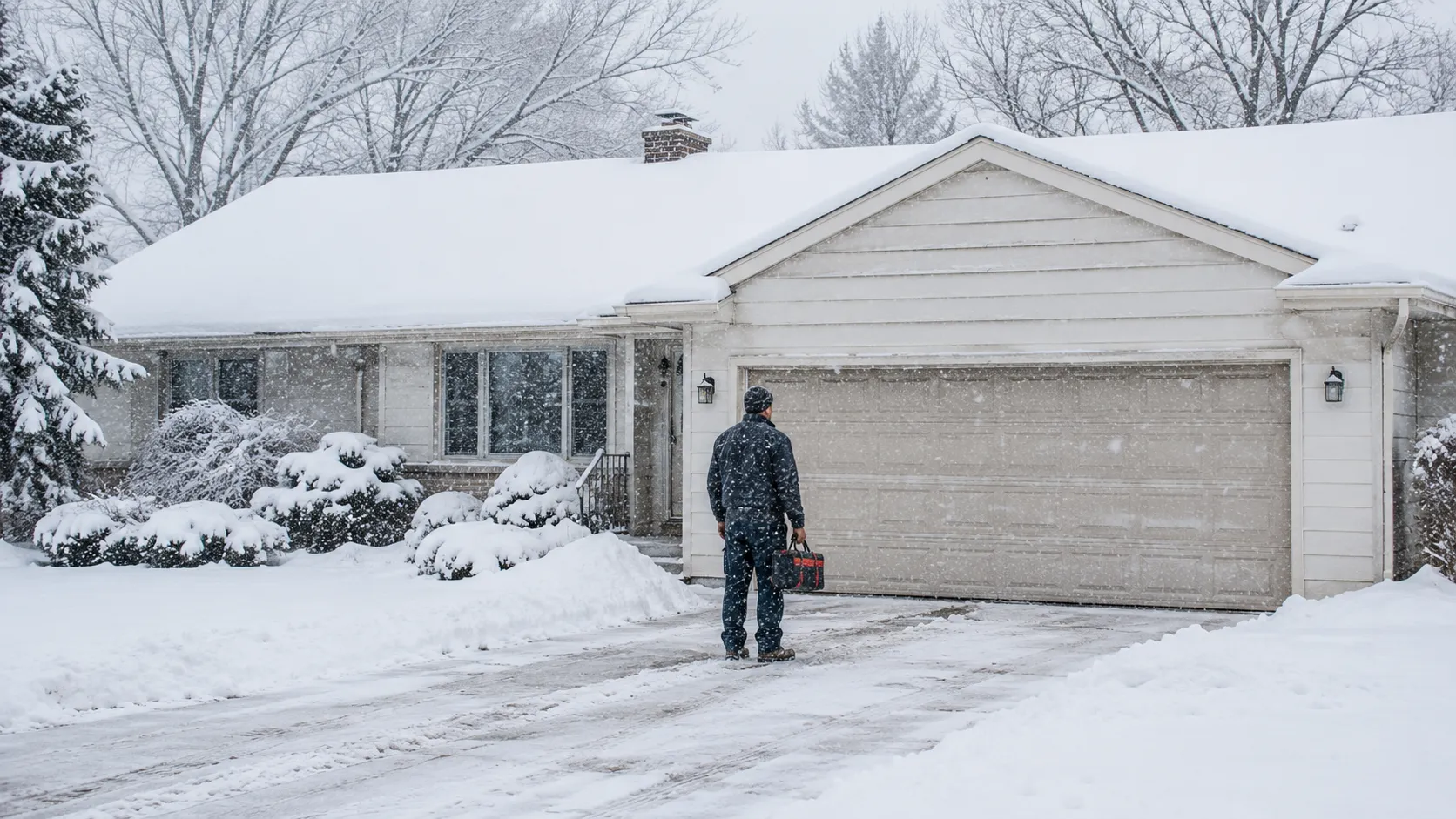
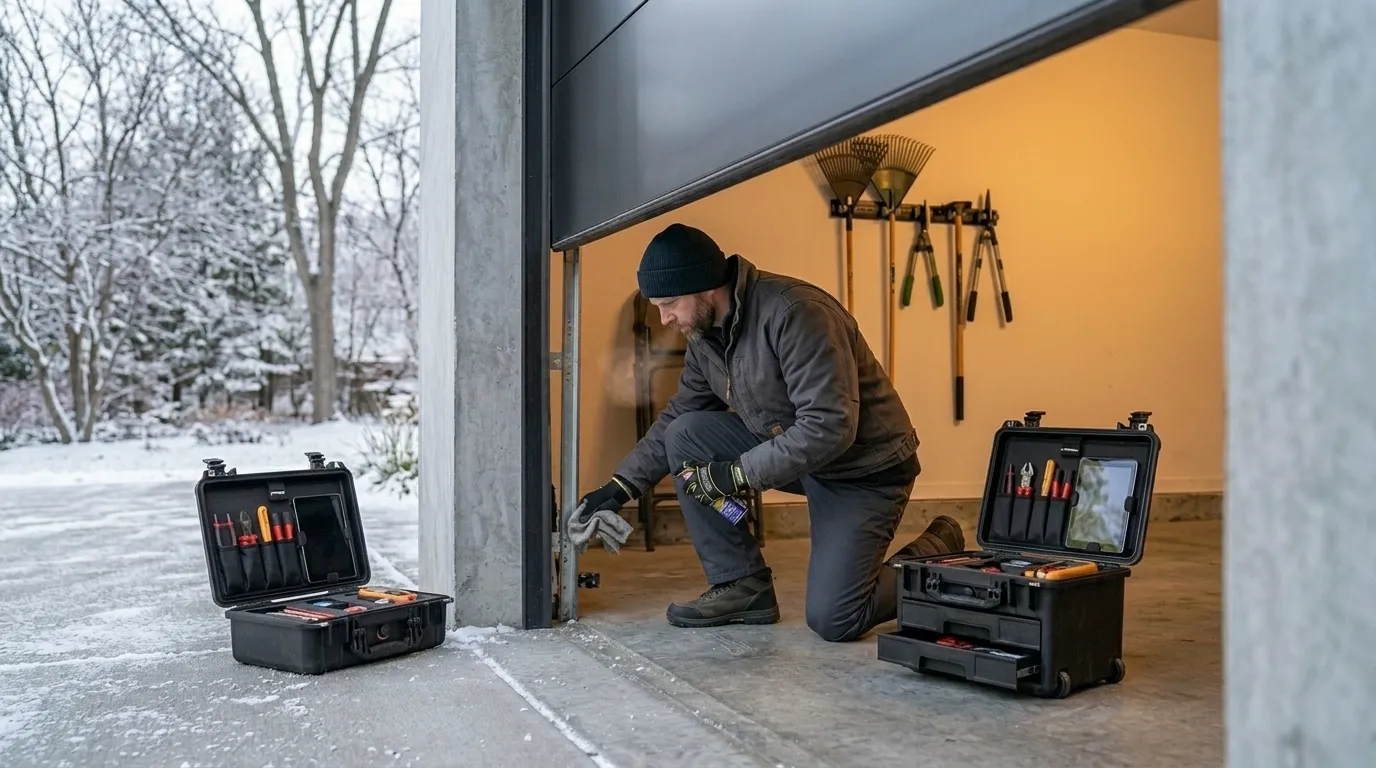
The Problem
Most of the houses we get called to in this area went up between 1955 and 2008, with a heavy concentration in the 1980s and 90s across the 47 named areas that make up this market. That means a lot of torsion springs are original or close to it, sized for a door that's now thirty-plus years old and has cycled through thirty-plus winters. Cold snaps don't cause spring failure by themselves, but they're the trigger for a spring that's already fatigued from age and use.
Steel contracts in the cold, and a spring already near its cycle limit loses just enough flex to snap on the next cold morning open. If your door came with the house and the house dates to that 1980s-90s wave, you're closer to that point than you think. The fix isn't complicated once you know what's wrong, but a door that won't open because the spring let go on a 20-degree morning is a different job than a slow leak you can plan around.
It happens fast, usually with a loud bang, and usually right when you need to leave.
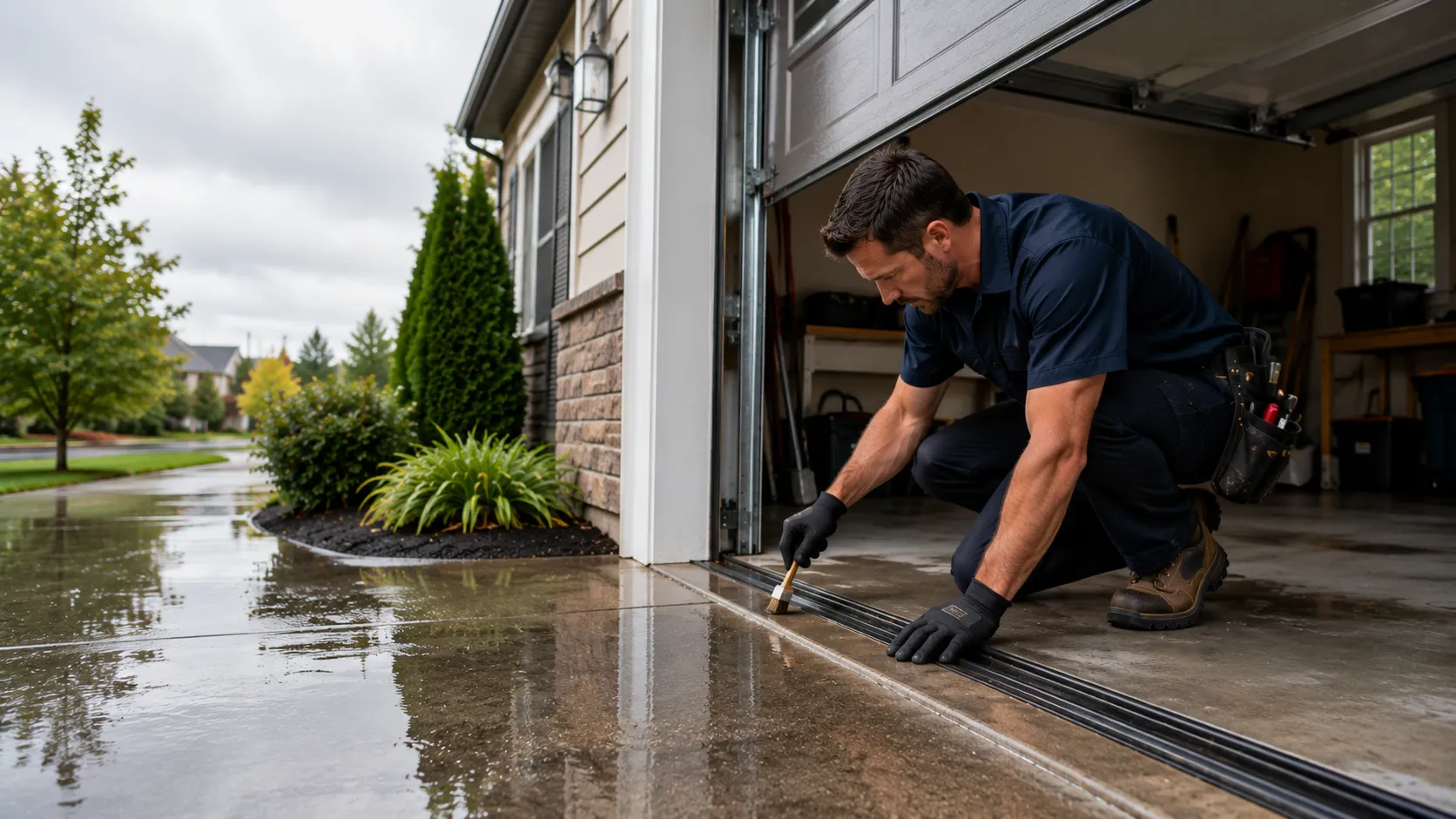
Checking It Yourself
Look at the spring itself first, the coiled bar above the door if you have a torsion setup, or the pair alongside the tracks if it's an older extension-spring door. A gap in the coil means it's already broken; don't try to open the door by hand or with the opener at that point. If it looks intact, pull the emergency release and lift the door by hand.
It should feel roughly balanced and stay put around waist height. A door that slams down or is too heavy to lift is telling you the spring has lost tension even if it hasn't snapped yet. Check the cables at the bottom brackets too, especially on houses in the 1955-1985 range where original hardware is more likely still in place.
Frayed strands near the drum are a warning sign that shows up before the cable actually parts. None of this requires tools, just a cold morning, good light, and paying attention to how the door moves instead of just whether it moves.
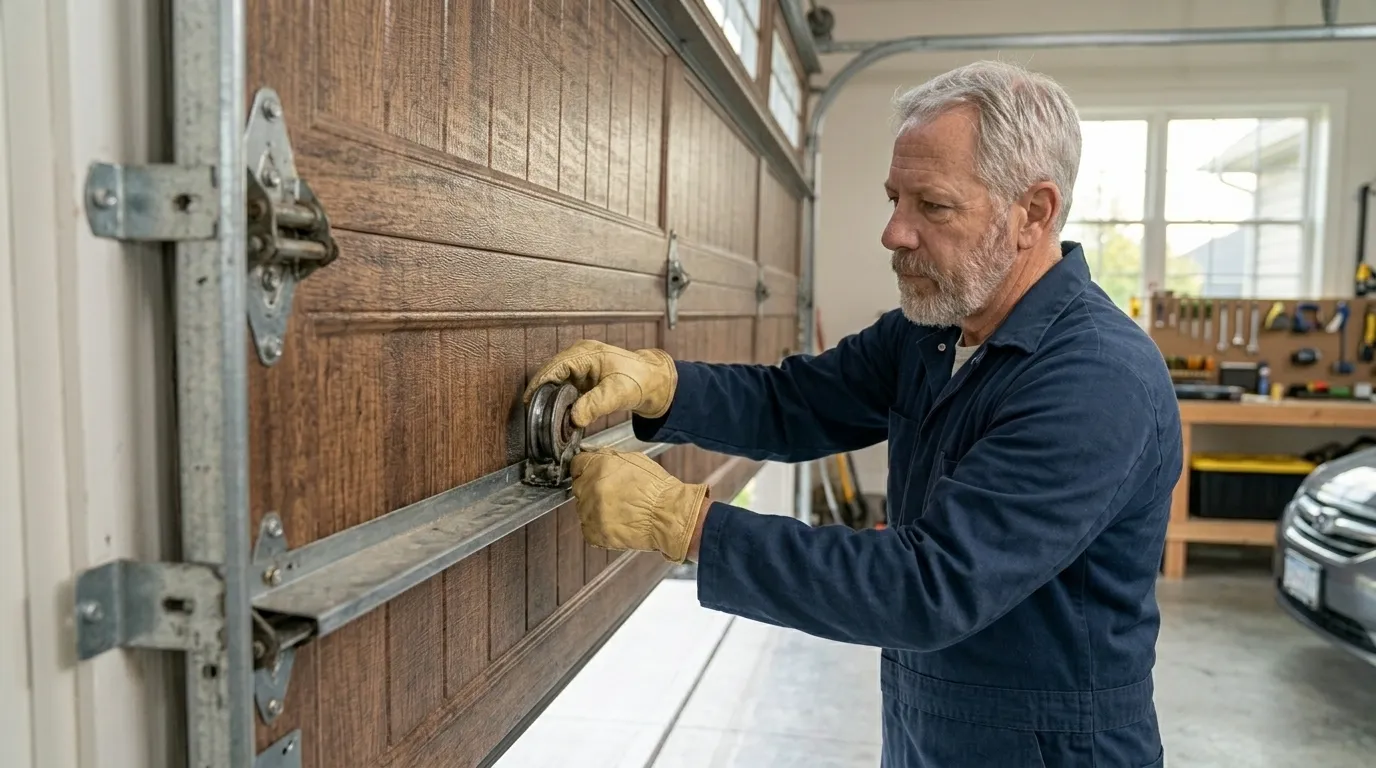
Doing Nothing For Now
If your door still lifts evenly and the spring coil looks whole, you don't need to call anyone today. A spring that's holding tension in cold weather is doing its job, and there's no benefit to replacing one early just because the calendar says winter. Where this area's climate does matter is in the swing: cold moderate winters here mean the steel goes through repeated contraction and expansion cycles that a warmer climate wouldn't put it through as often.
That's wear you can't undo, but it's also not an emergency until the spring shows it. We won't tell you to replace a spring that's working. What we will say is that if your house falls in that 1980s-90s build wave and nobody's touched the spring since, you're on borrowed time regardless of what the door looks like today.
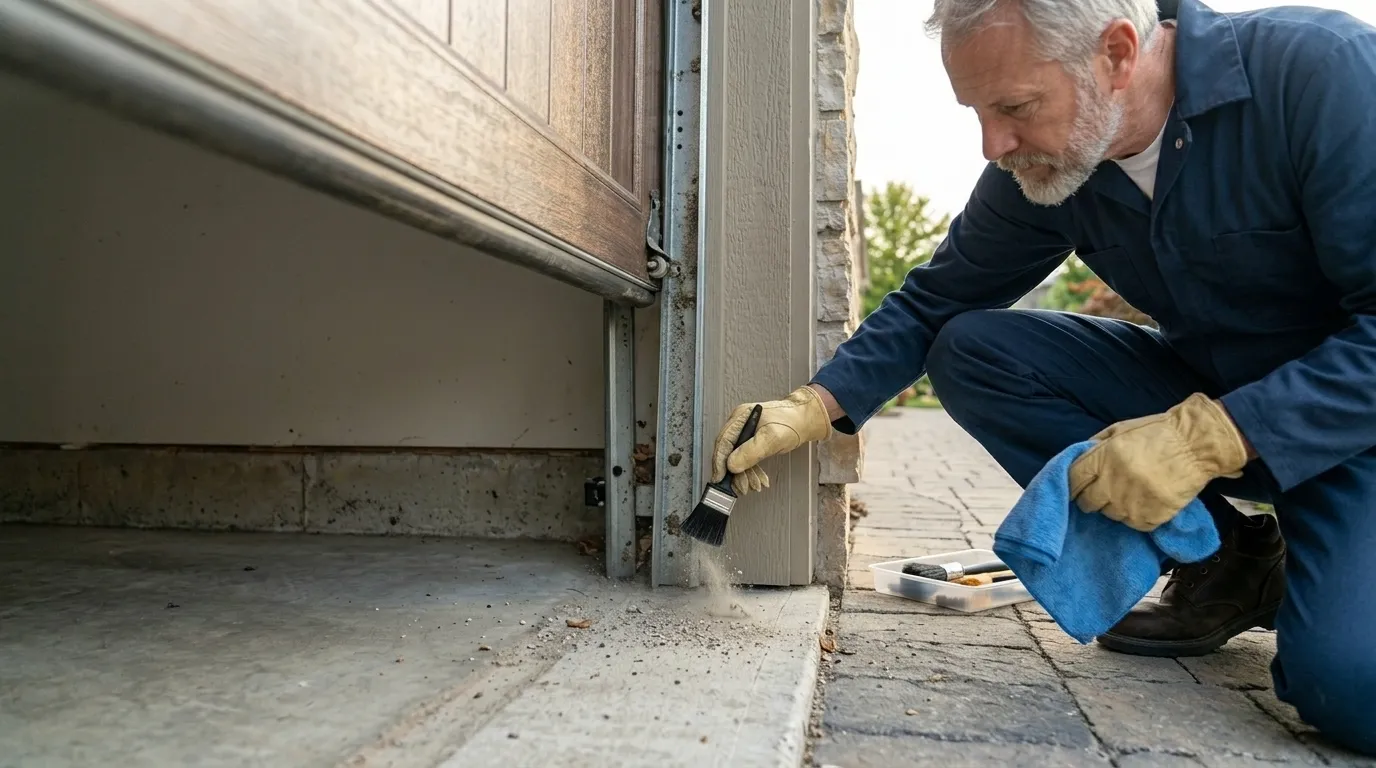
How Local Conditions Play In
The cold moderate climate band this area sits in isn't extreme, but it's enough to matter for steel components that flex all day. A spring in a heated climate might go another few years past its rated cycle count before it fails; here, the daily temperature swing through fall and winter shortens that margin. Combine that with housing stock that's mostly 25 to 40 years old across places like Parole, Edgewater, Arnold, and the rest of the service area, and you get a predictable pattern: most of our cold-weather calls are houses from that same build era, not newer construction.
If you're in one of the areas further out, Crofton, Gambrills, or Pasadena, the same logic holds since the housing wave hit most of this region at the same time. One thing we won't do is tell you a spring needs replacing over the phone without seeing it. Tension and wear vary enough door to door that a real look matters more than a guess based on age alone.
How We Can Help
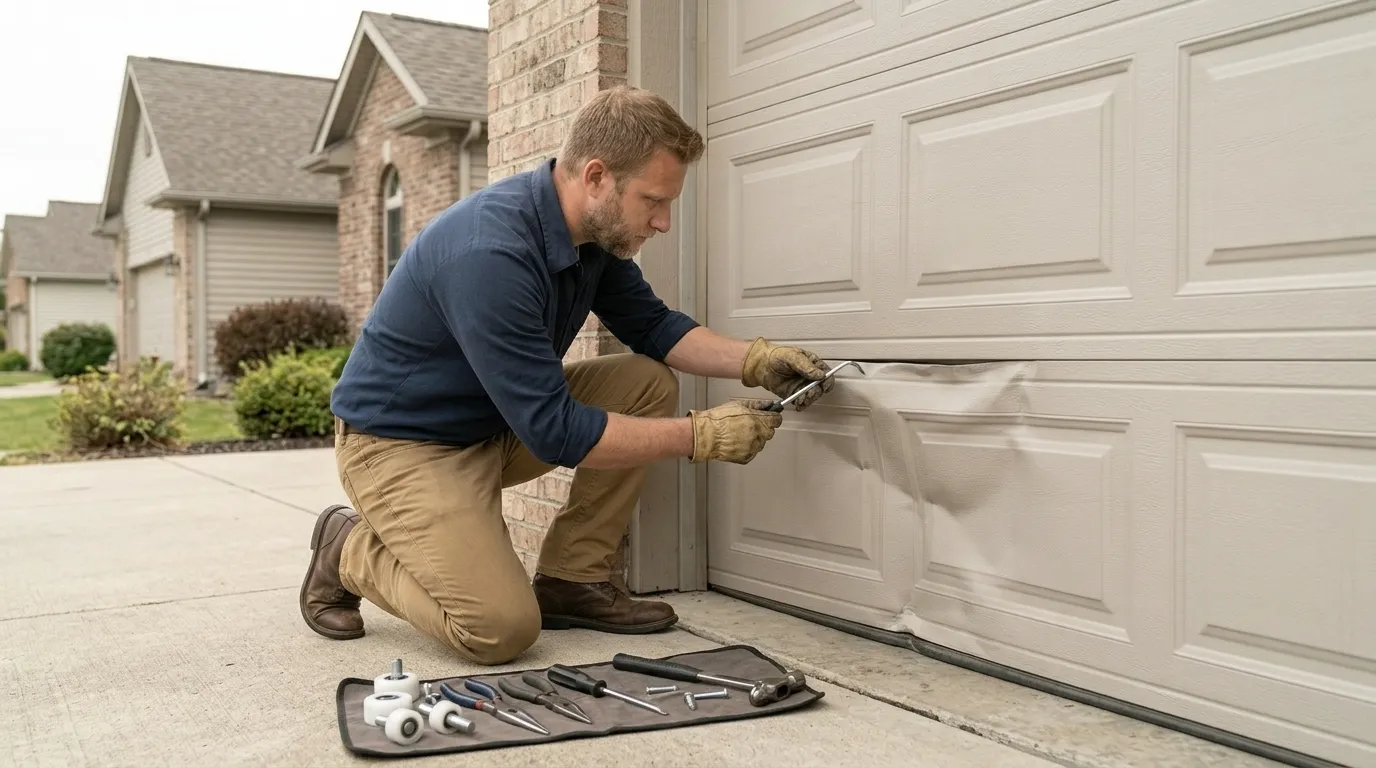
Garage Door Repair
Springs, cables, tracks, rollers, and openers fixed by a tech who explains the problem before touching anything.
Learn more →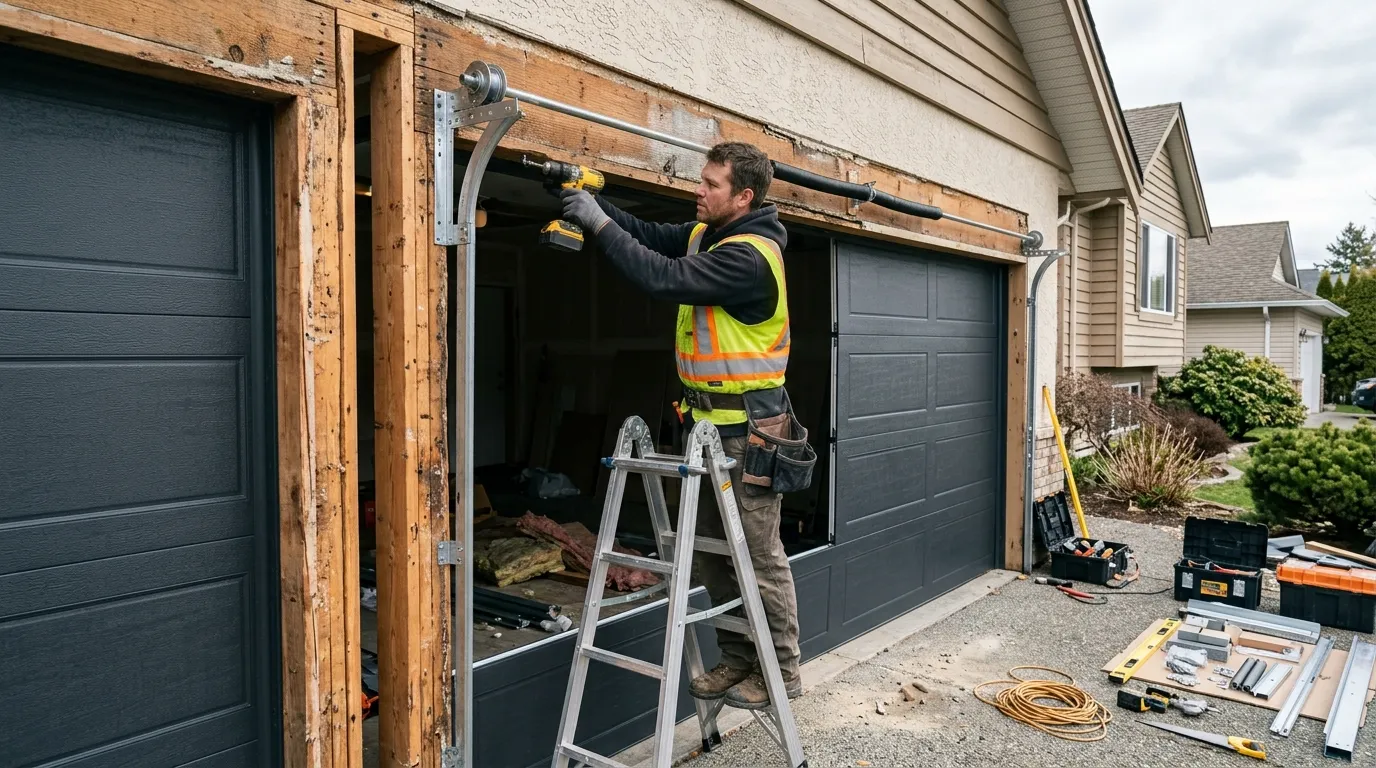
Garage Door Installation
New sectional doors sized and installed for the housing stock actually built in this area.
Learn more →
Garage Door Service
Tune-ups, lubrication, and safety checks that catch a small problem before it becomes a service call.
Learn more →Frequently Asked Questions
Why do springs seem to break more in winter around Annapolis?
It's not the cold breaking the spring outright, it's the cold finding a spring that's already near the end of its cycle life. This area's cold moderate winters put steel through daily contraction and expansion, and a spring from the 1980s-90s housing wave that's due for replacement anyway tends to give out on the coldest mornings rather than a mild afternoon.
My door is heavy to lift by hand but the spring isn't broken. Is that urgent?
Not urgent, but worth watching. A door that's hard to lift by hand means the spring has lost some tension even though it hasn't snapped. That's a sign it's aging out, especially in houses from the 1955-2008 build range common here. It'll likely keep working for a while, but plan on getting it looked at rather than waiting for it to fail.
Should I replace both springs if only one breaks?
On a lot of the doors we see from this area's 1980s-90s housing stock, the springs were installed as a pair at the same time, so if one has hit its cycle limit, the other usually isn't far behind. We don't push it on every job, but if your springs are original and one just went, it's a reasonable call to make.
Have a Door That Needs a Second Opinion?
Call and describe what it is doing - we will tell you what it likely is.