
Annapolis Garage Door Guide
When the Power Goes Out and Your Opener Doesn't Come Back
Annapolis houses built between 1955 and 2008 often pair aging openers with a cold, storm-prone climate. Here's what that combination means for power cuts and stuck doors.
- Licensed & Insured
- Same-Area Service Calls
- Upfront Pricing
The Problem
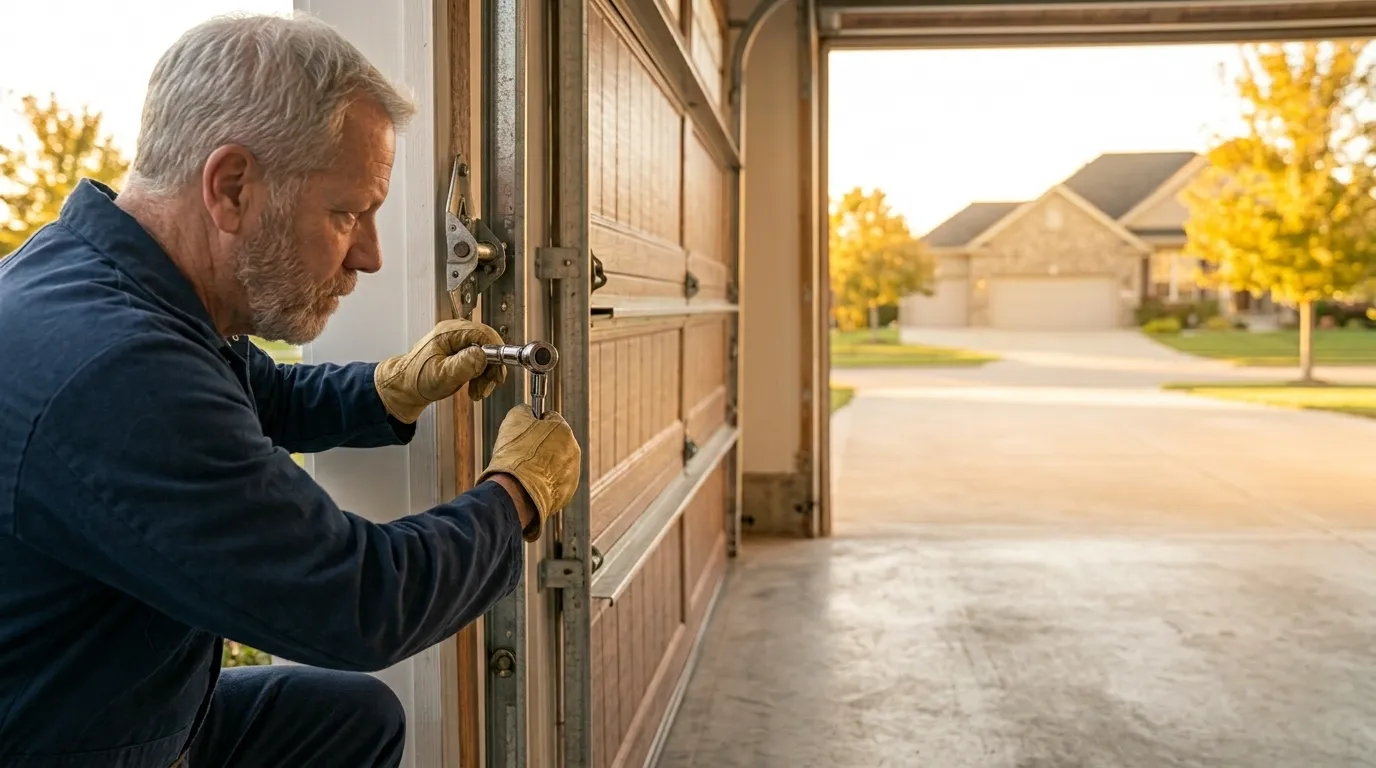
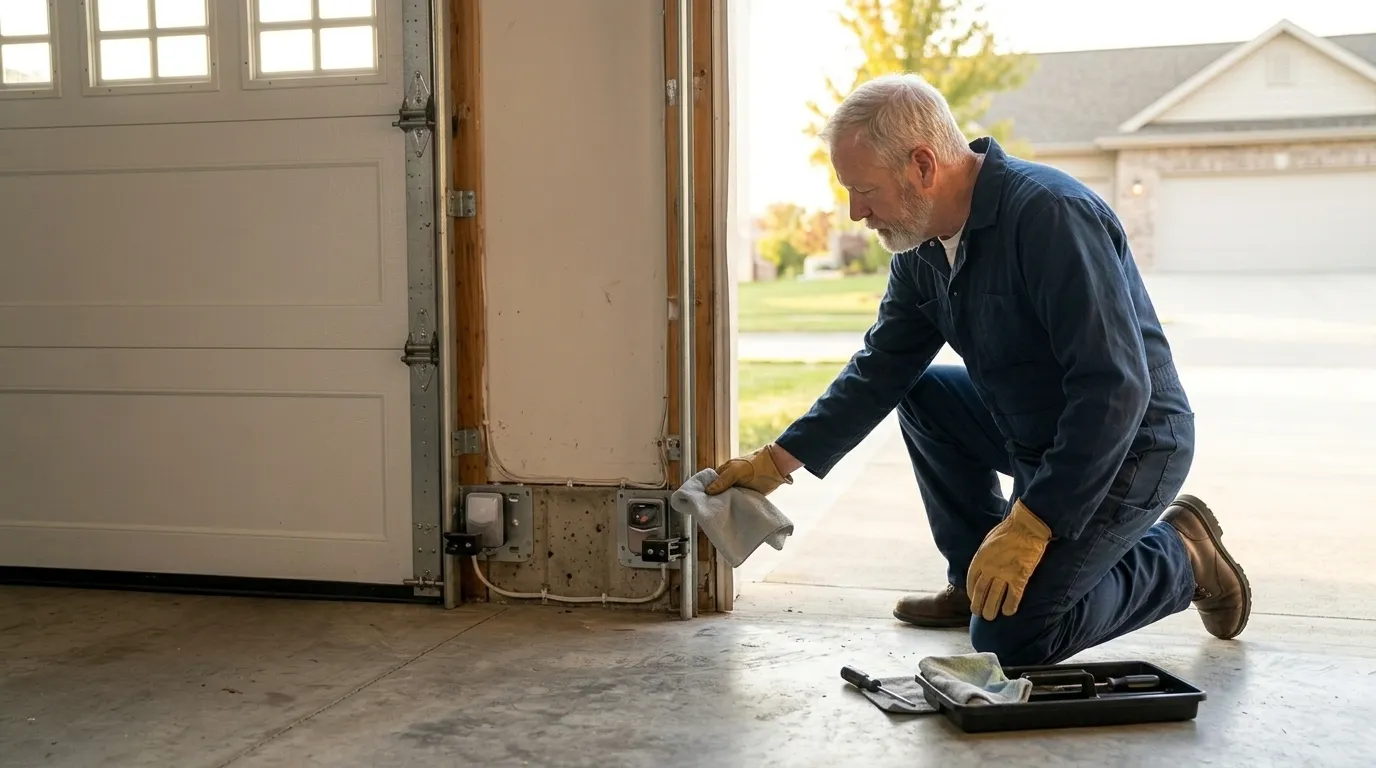
A lot of the openers in this area came in with houses built in the 1980s and 90s, which is the bulk of what's out there across the 47 named neighborhoods we work in, from Parole to Crownsville to Cape St. Claire. Openers from that stretch often don't have battery backup built in, because that wasn't standard equipment yet.
So when the power cuts, the door does not lift, chain drive or belt drive, doesn't matter. It sits wherever it stopped.
This becomes a bigger deal here than it would somewhere with a milder climate, because a cold-moderate band means winter storms that knock out power are also the storms that make you want your car in the garage, not stuck outside it. The two problems - old opener, cold-weather outage - land on the same house at the same time more often than people expect. If your opener is original to a house built anywhere in that 1955 to 2008 window, assume no backup unless you know otherwise.
The honest limit here: we can't tell you your opener's exact age or backup status without seeing it. Model plates fade, and a lot of units got swapped once already over a 40-plus year span.
Checking It Yourself
Find the manual release cord - the red handle hanging from the trolley on the track. Pull it with the door closed, and you should be able to lift the door by hand. If you can't move it, or it feels like it's fighting a spring rather than just its own weight, that's not an opener problem, that's a spring problem, and pulling harder won't fix it.
Next, look at the opener head unit itself. If there's no small battery pack attached near the motor housing, you don't have backup, plain and simple. Houses with original 1980s-90s equipment almost never have this unless a homeowner added it later.
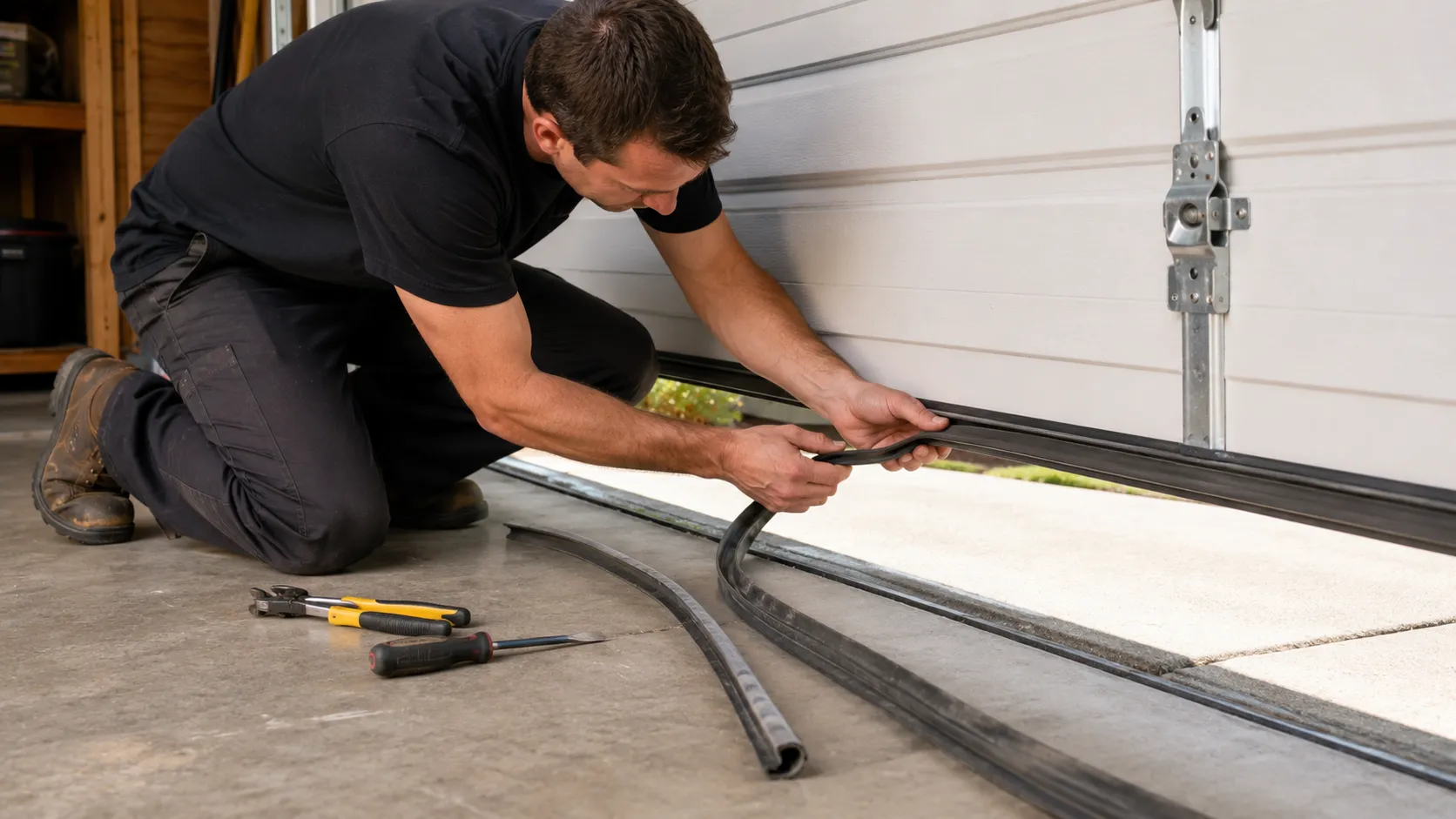
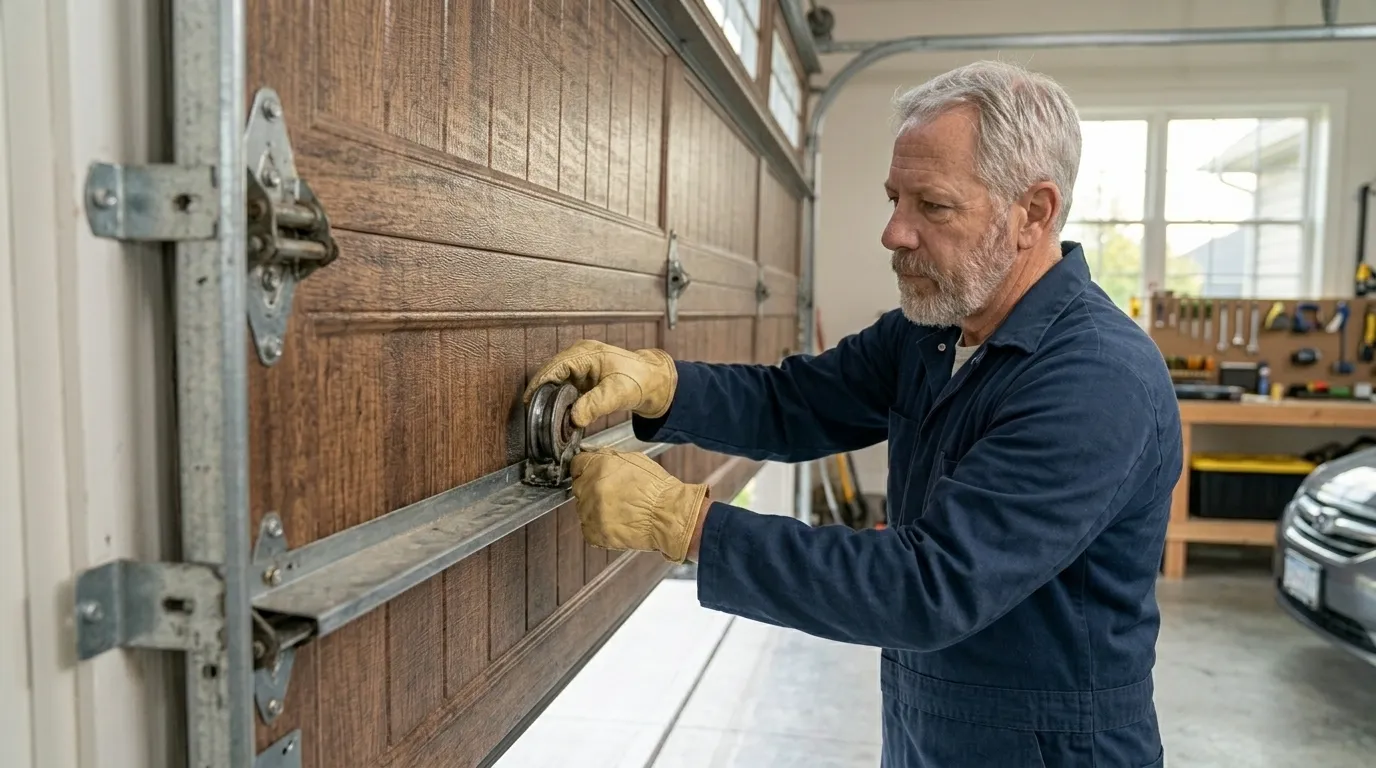
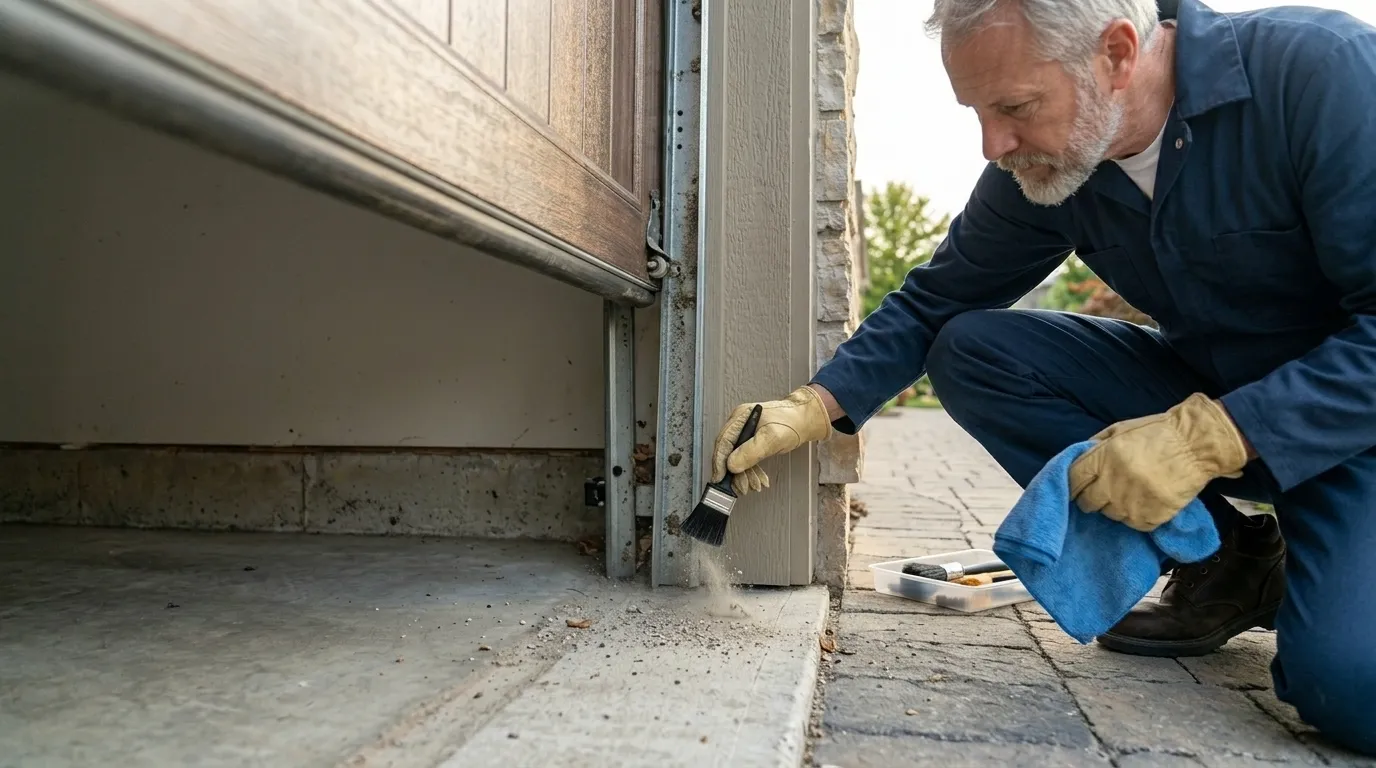
Last, during any cold snap, check that the door seals and rollers aren't binding. Cold makes grease stiffen and rubber seals stiffen too, so a door that operated fine in October can drag or bind in January even with a working opener. None of this requires tools beyond your hands and a flashlight, and none of it should take more than ten minutes.
Doing Nothing For Now
If your opener runs fine and you just don't have battery backup, that's not an emergency. It's a known gap, and plenty of houses here have lived with it for decades. The math changes if you rely on the garage as your only way in or out during a storm, or if the manual release is hard to reach or operate.
Where we'd say wait: opener works, manual release works, no unusual noise. Where we'd say don't wait: opener already struggles to lift the door even on power, because that usually means a spring or cable is compensating for something already failing, and a power cut just exposes what was already weak.
We're not going to tell you every house needs battery backup installed this month. Given the age of housing stock in this area, a lot of openers still have working years left in them, and replacing a functioning unit just because it lacks a feature isn't always the better use of money.
How Local Conditions Play In
The climate band here is cold-moderate, which means real winter cold but not the extremes that crack springs outright. What it does instead is slow things down - lubricant thickens, metal contracts slightly, and torsion springs lose a bit of tension in the cold, which is exactly when an opener has to work hardest to compensate. Pair that with housing stock built mostly across 1955 to 2008, median year 1985, and you've got a lot of original hardware reaching the point where cold exposes weaknesses that summer heat hides.
Across the service area - 192,222 households, with 96,266 of those owner-occupied houses - this pattern repeats regardless of whether you're near Parole three miles out or further toward Crofton at ten. The houses built in that same wave, the 1980s and 90s bulk of the market, are hitting the same age at roughly the same time, so opener and spring failures during cold snaps tend to cluster in the same weeks each winter rather than being random.
How We Can Help
Garage Door Repair
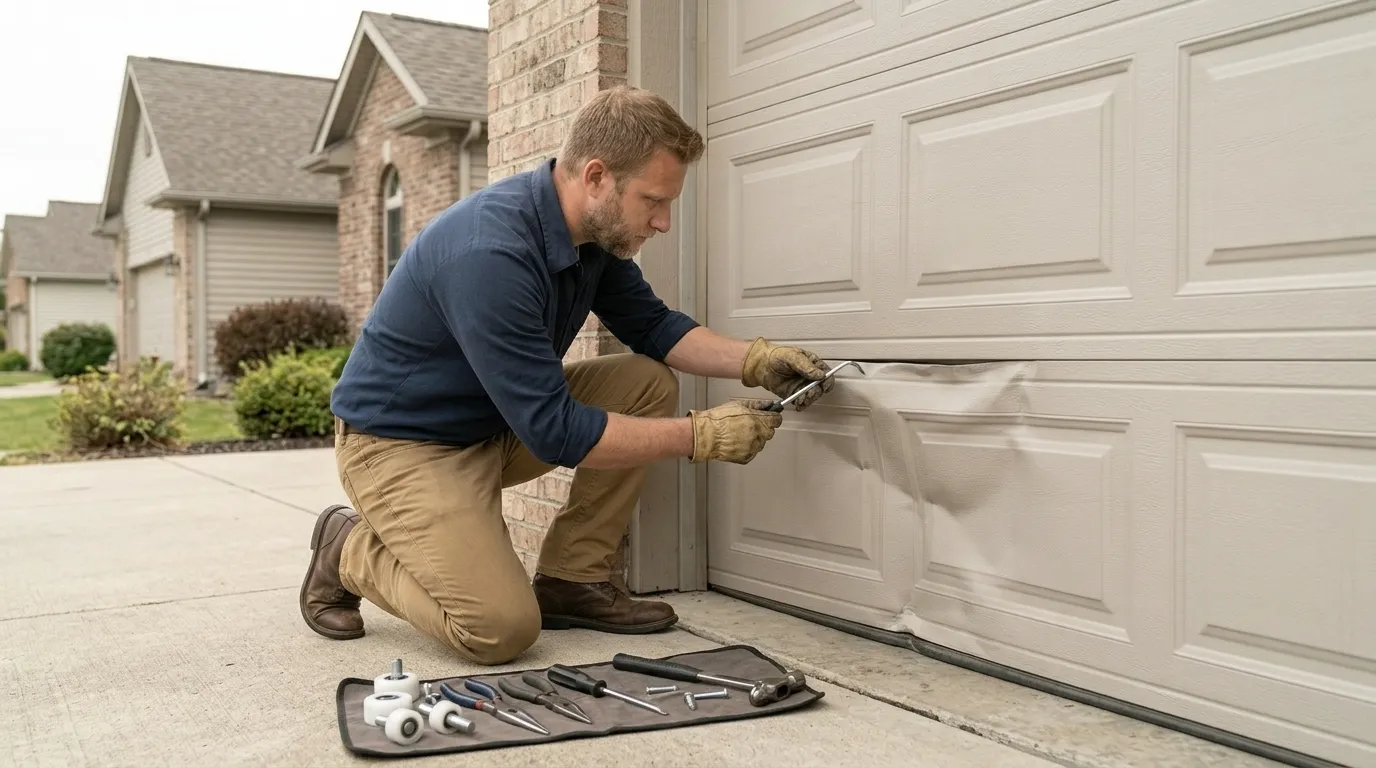
Springs, cables, tracks, rollers, and openers fixed by a tech who explains the problem before touching anything.
Learn more →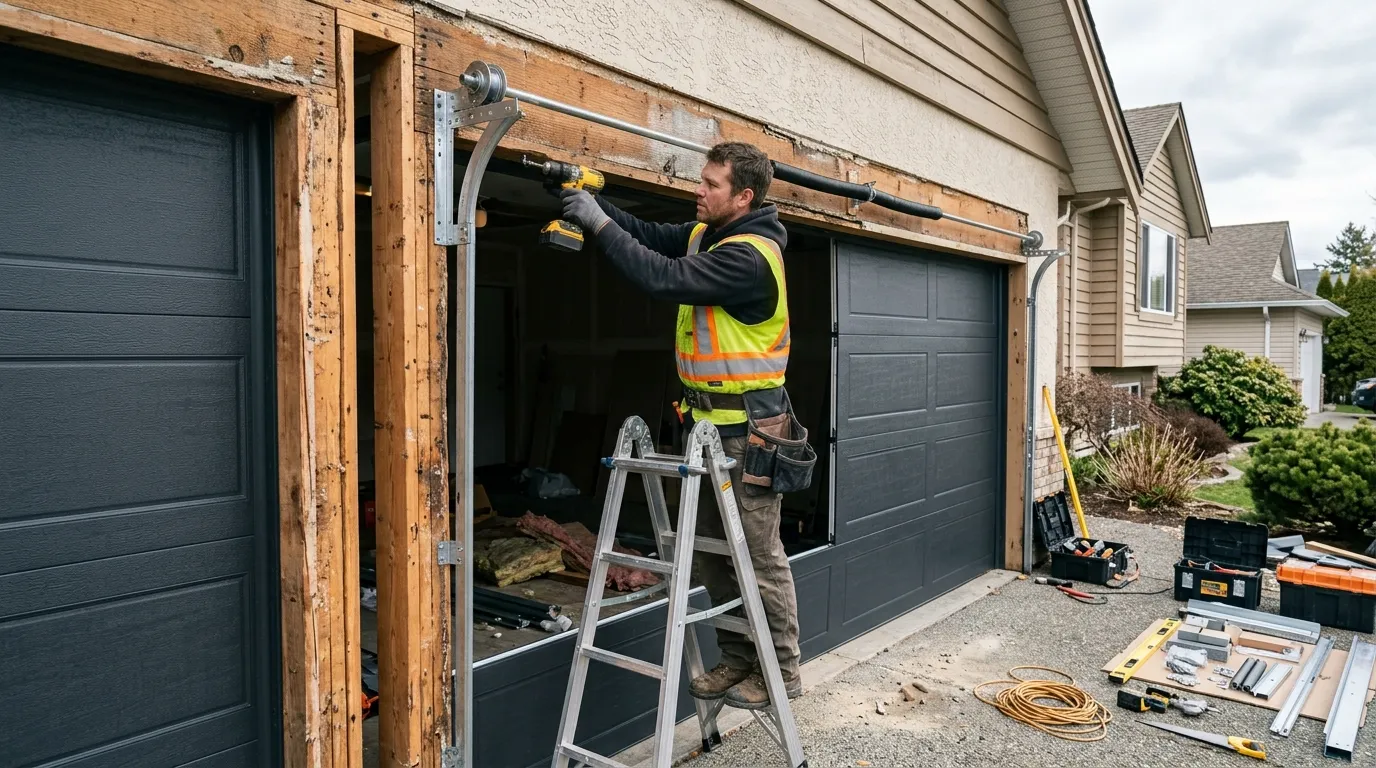
Garage Door Installation
New sectional doors sized and installed for the housing stock actually built in this area.
Learn more →
Garage Door Service
Tune-ups, lubrication, and safety checks that catch a small problem before it becomes a service call.
Learn more →Frequently Asked Questions
Does my garage door opener need battery backup?
If your house dates to the 1980s or 90s, which covers most of this area, your original opener likely doesn't have it built in. It's not required, but if losing garage access during a power cut in cold weather would be a real problem for you, it's worth adding.
Why does my door feel harder to lift by hand in winter?
Cold tightens up grease in the rollers and track, and torsion springs lose a little tension when metal contracts. In a cold-moderate climate like this one, that's normal seasonal drag, not necessarily a failure - unless it's dramatically harder than last winter.
My opener is original to the house. Should I replace it just to be safe?
Not automatically. If it lifts smoothly, runs quietly, and the manual release works, plenty of these units built in the 1980s-90s wave still have life left. Replace it when it struggles, not on a calendar.
Have a Door That Needs a Second Opinion?
Call and describe what it is doing - we will tell you what it likely is.