
Annapolis Garage Door Guide
What Older Annapolis Housing Stock Means For Your Garage Door
Annapolis houses built between 1955 and 2008 predate today's insulation standards, and that changes how a garage door performs in this cold, moderate climate.
- Licensed & Insured
- Same-Area Service Calls
- Upfront Pricing
The Problem
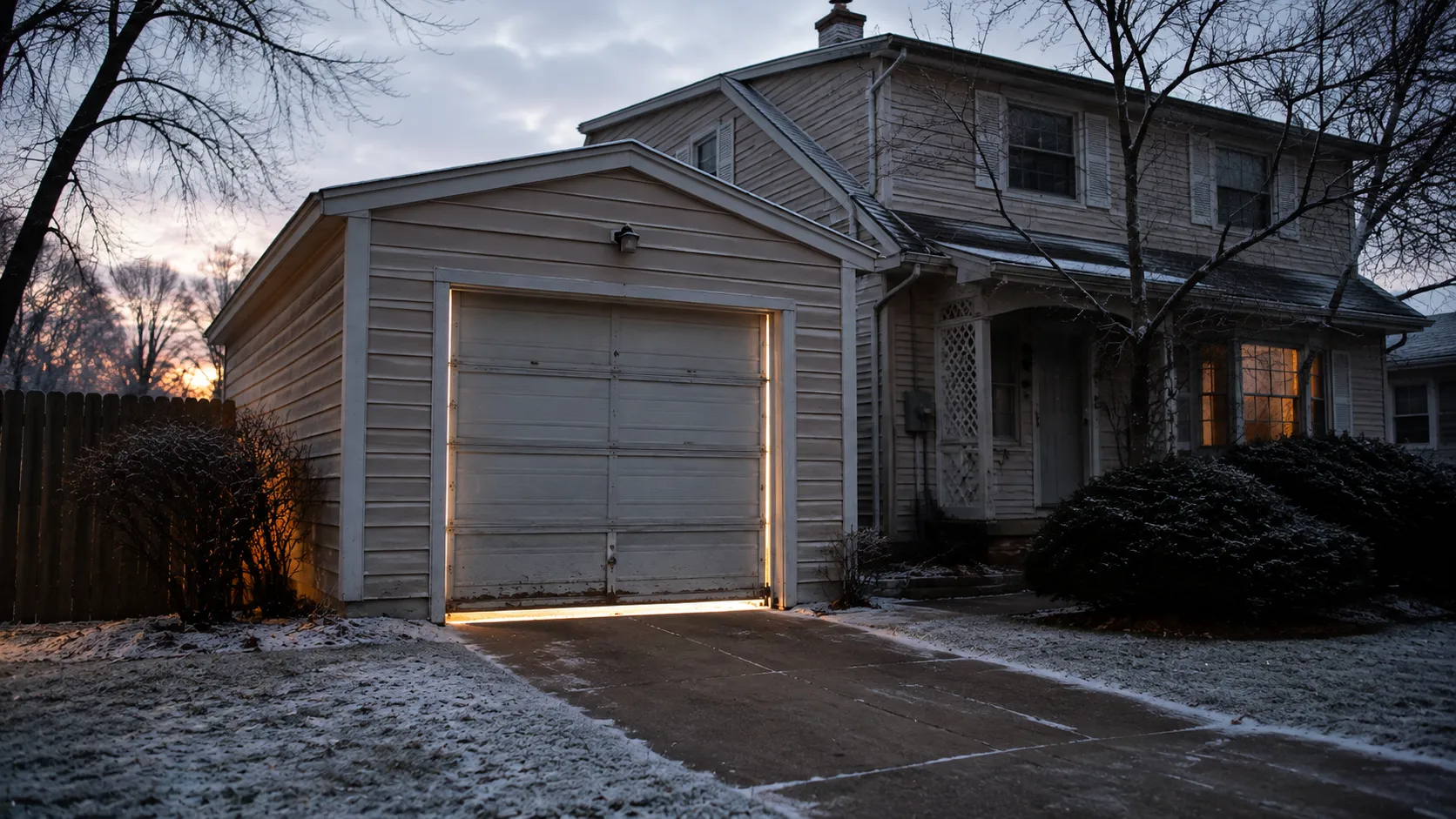
Most houses in this service area went up between 1955 and 2008, with the median landing around 1985. That matters because insulation requirements for garage doors weren't standard when a lot of this stock was framed. A door built to a 1985-era spec is usually a single layer of steel, sometimes with a thin vinyl backer, no polystyrene or polyurethane core, and no thermal break at the bottom seal.
It wasn't a defect - it was normal for the time. The problem shows up now as a cold slab floor in winter, condensation beading on the inside panel, and an attached garage that never quite matches the temperature of the rest of the house. Across the 47 named areas that make up this market, the typical house is a 1980s or 1990s build, so this isn't a one-off house problem, it's a stock-wide pattern.
Newer doors installed since then, or replacements done in the last decade or so, usually do have a foam core and a proper bottom seal. The trouble is telling which one you have without opening it up, and a lot of owners assume their door is insulated because it's not visibly rusted or dented, which isn't the same thing at all.
Checking It Yourself
Pull the door up partway and look at the inside face of a panel. If you see bare ribbed steel with nothing behind it, that's an uninsulated door - common on original doors from the 1955-2008 building window this area sits in. If there's a white or gray foam sheet glued or clipped to the back, you've got at least basic insulation.
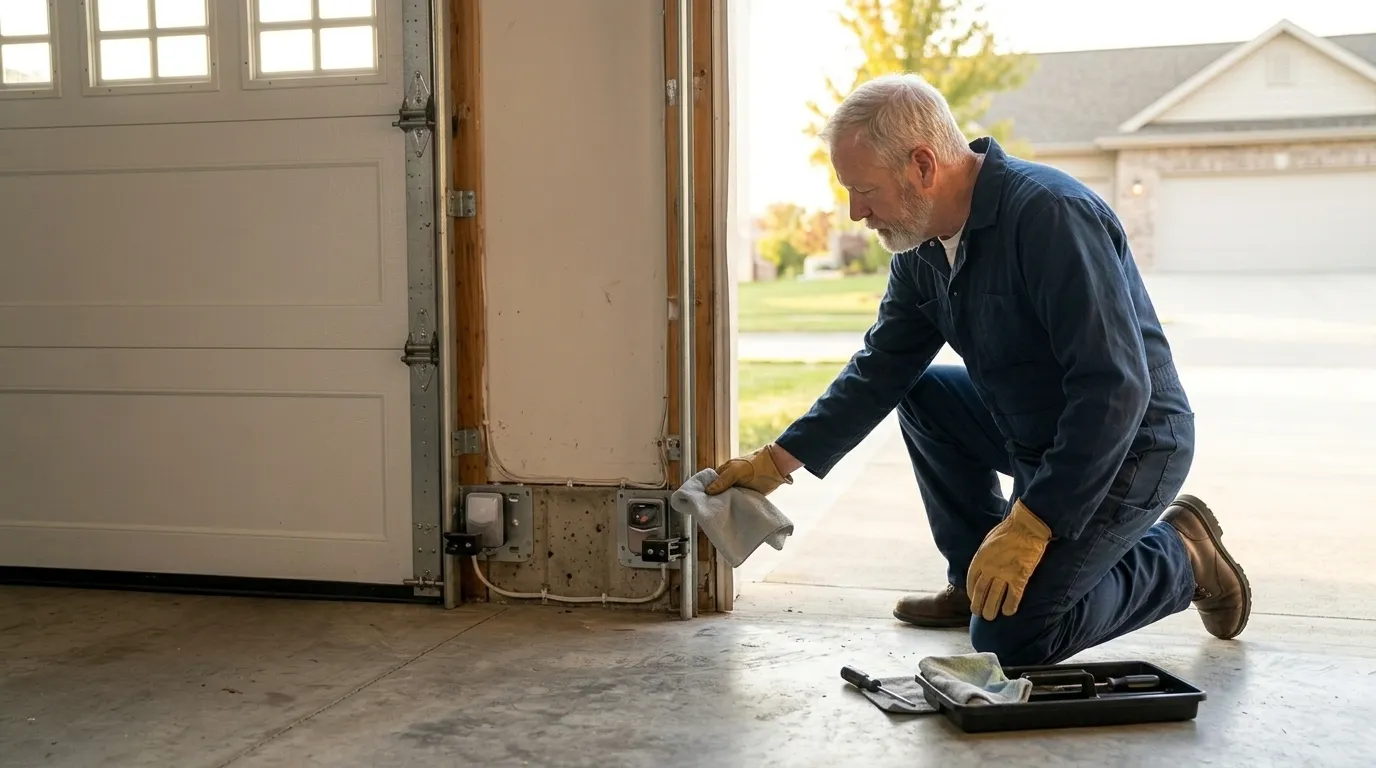
Check the bottom seal too: a stiff, cracked strip that no longer sits flush against the slab is doing almost nothing, insulated core or not. Run a hand along the weatherstripping on the sides and top track while the door's closed - daylight or a cold draft there means the seal has given up, regardless of what the panel itself is made of. If your door has a manufacturer sticker inside (often near the top panel or on the end stile), it sometimes lists an R-value, which tells you plainly whether it was built to an insulated spec.
No sticker doesn't mean no insulation, older doors often lost theirs, but it does mean you're checking by hand, not by label.
Doing Nothing For Now
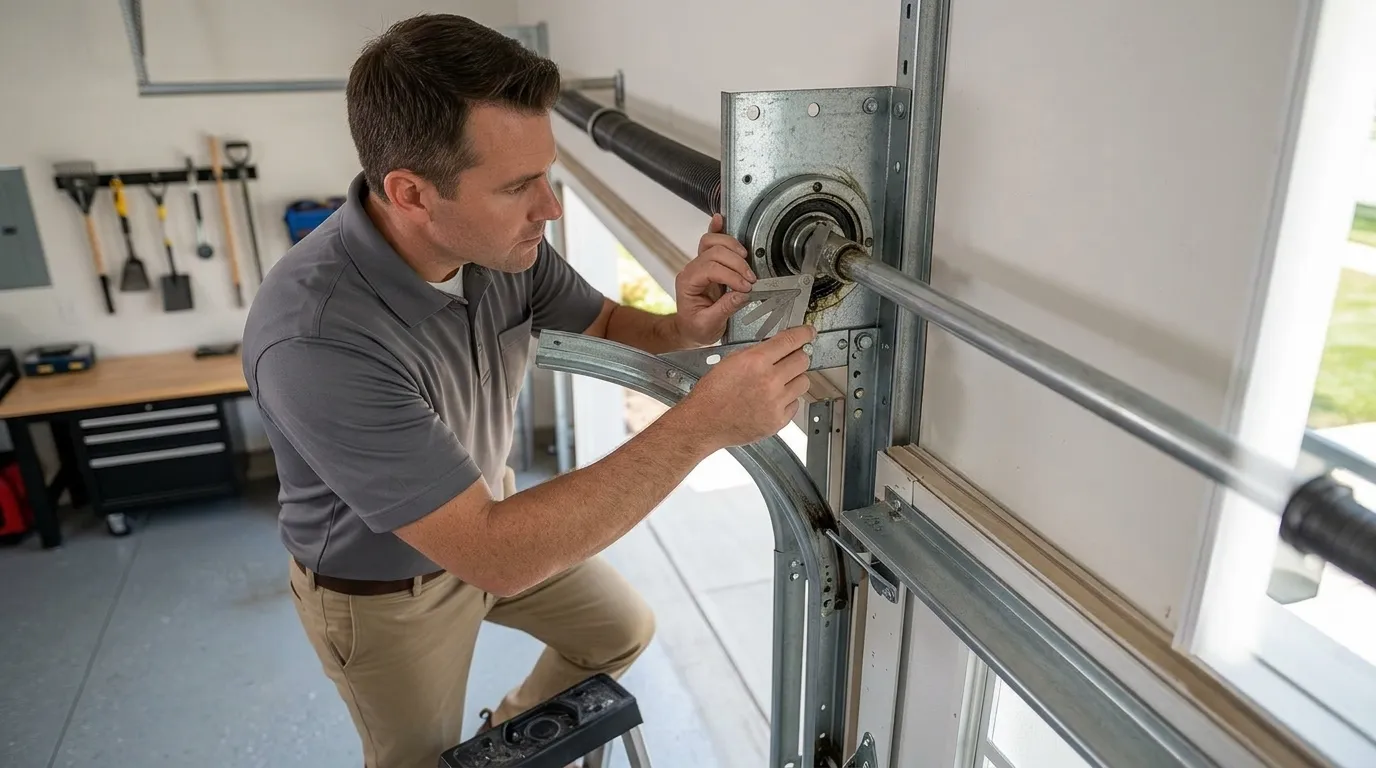
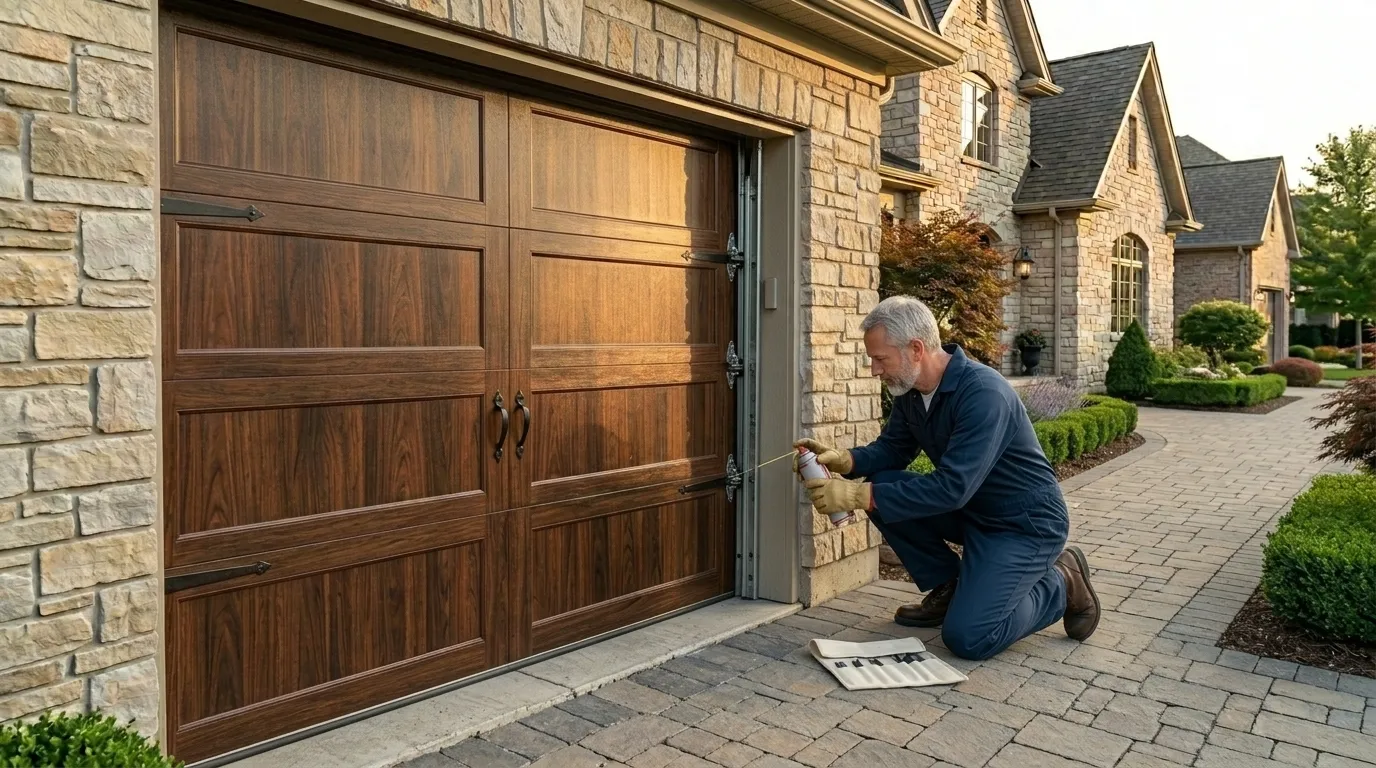
An uninsulated door on a garage you don't heat or use as living space isn't an emergency. If the door still opens smoothly, the panels aren't rusted through, and the springs are doing their job, swapping it out purely for insulation is a comfort upgrade, not a repair. We won't tell you to replace a working door just because it's from 1985 - that's a decision based on how you use the space, not the age of the door by itself.
Where it does start to matter: if you've finished a room above or beside the garage, if the door backs onto a bedroom wall, or if you're already noticing moisture on the inside panel in winter. Left alone, an uninsulated steel door on older weatherstripping will keep working as a door for years past when the seal quits doing its job - it just won't be doing much for the temperature or humidity on the other side. Waiting is a reasonable call for a lot of houses in this area.
Just don't confuse a functioning door with a sealed one.

How Local Conditions Play In
This area sits in a cold, moderate climate band - real winter cold, but not the deep sustained freezes you get further north. That matters for a door built decades before today's spec because the failure mode here is usually freeze-thaw cycling on the seals and hardware rather than one hard freeze cracking a panel outright. A bottom seal that's gone brittle will let cold air and moisture in and out repeatedly as temperatures swing, which is harder on an old rubber gasket than one long cold snap would be.
Houses closer in, like those a few miles off in Edgewater or Parole, and further out toward Crownsville or Riva, all sit in roughly the same climate band and the same building era, so the pattern holds across most of this market rather than being specific to one pocket. With 96,266 owner-occupied houses across a service area of 192,222 households, this is a market of long-term owners dealing with doors that have been in place for twenty, thirty, sometimes forty years - old enough that the seal and the insulation question usually arrive together.
How We Can Help
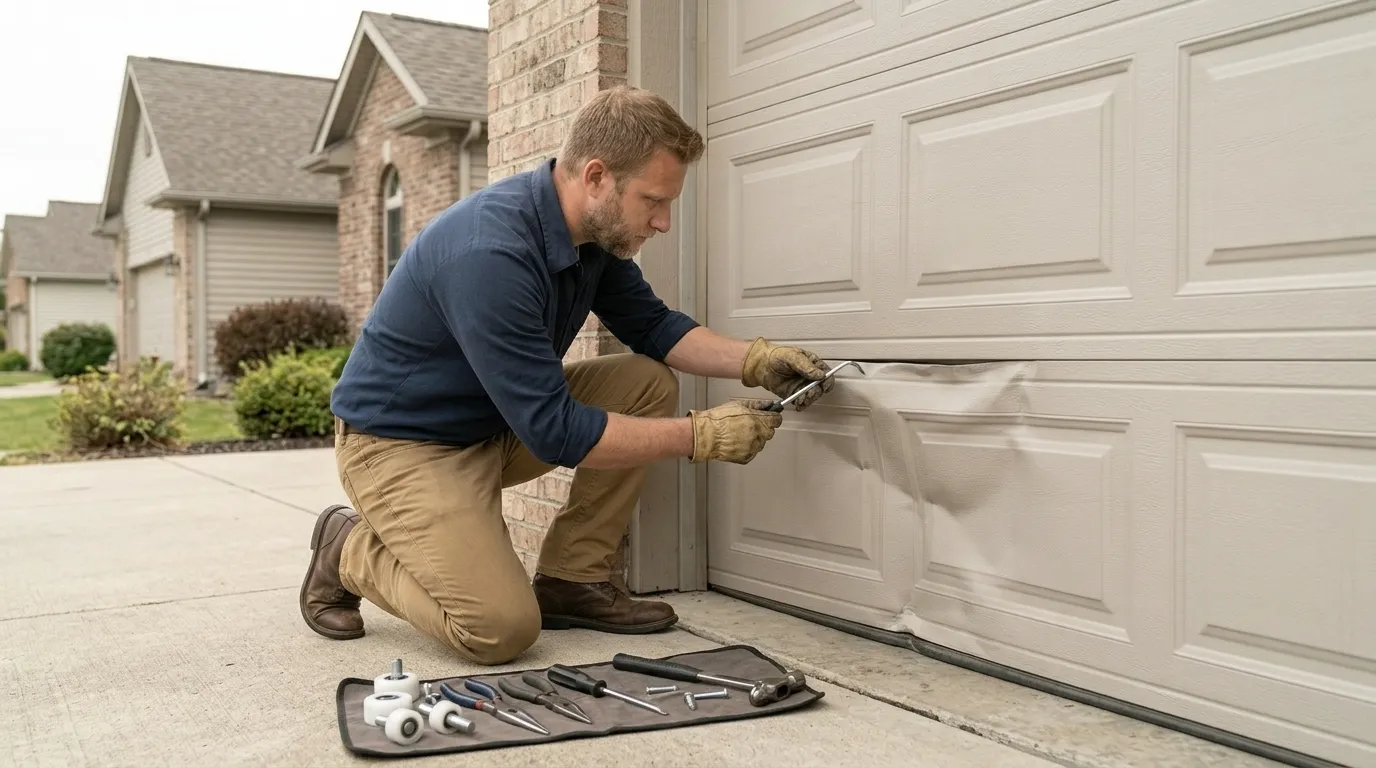
Garage Door Repair
Springs, cables, tracks, rollers, and openers fixed by a tech who explains the problem before touching anything.
Learn more →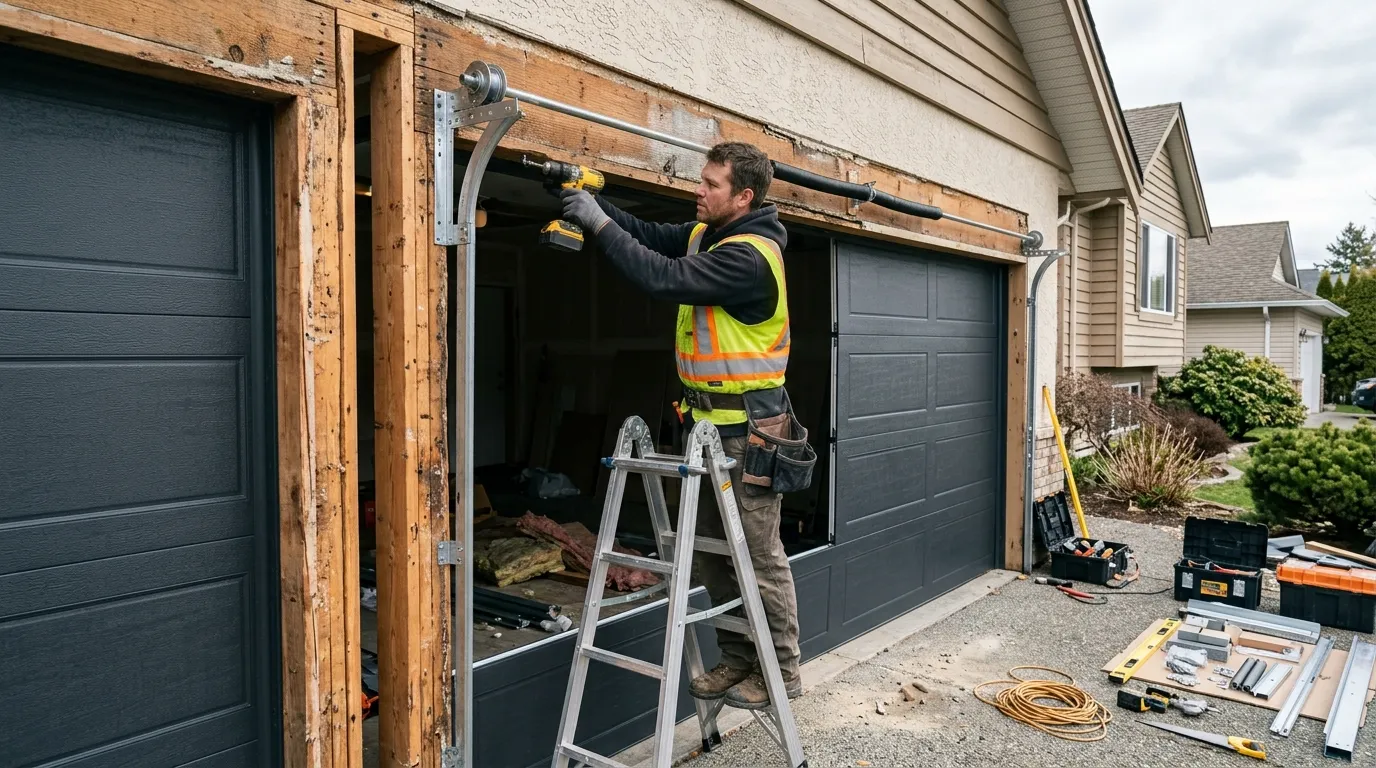
Garage Door Installation
New sectional doors sized and installed for the housing stock actually built in this area.
Learn more →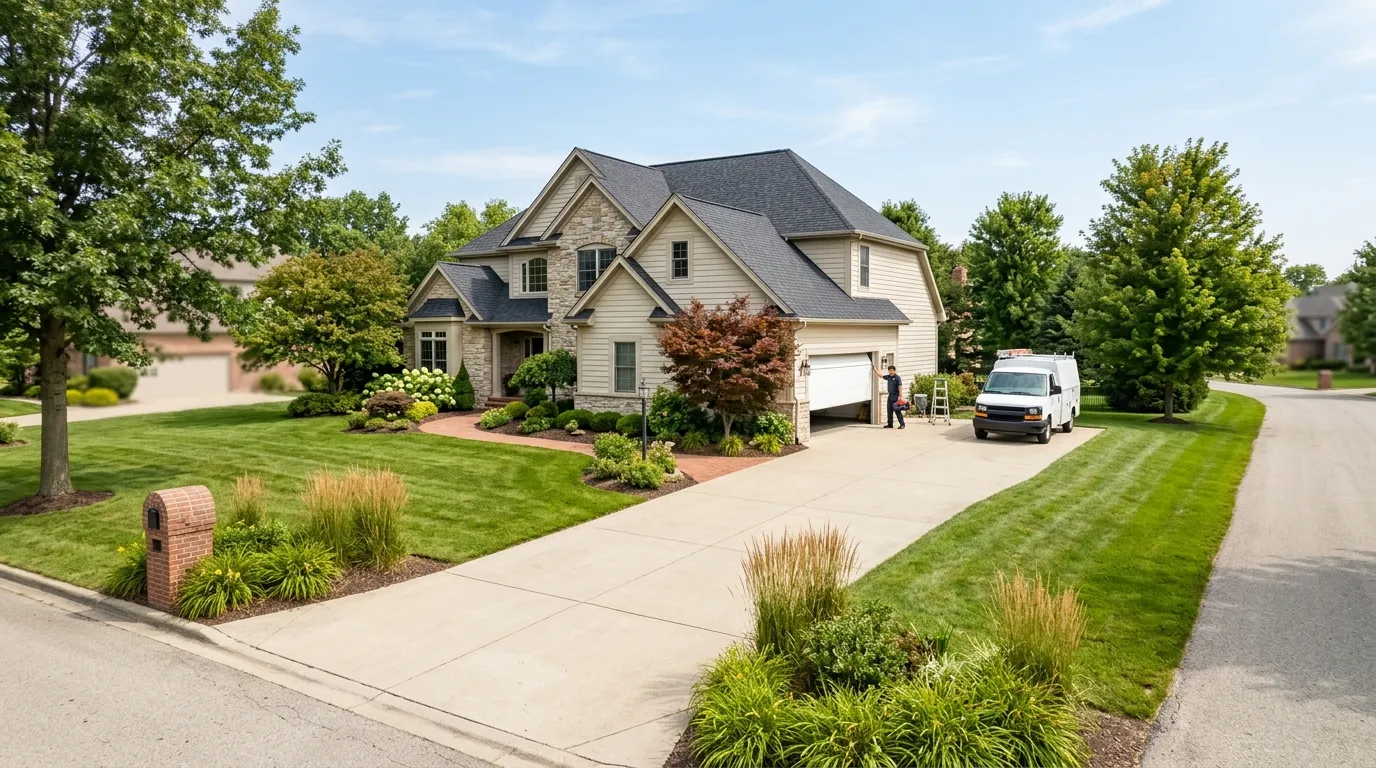
Garage Door Service
Tune-ups, lubrication, and safety checks that catch a small problem before it becomes a service call.
Learn more →Frequently Asked Questions
How do I know if my garage door has any insulation at all
Open the door partway and look at the back of a panel. Bare ribbed steel means no insulation. A foam sheet glued to the panel means it has at least a basic core. A manufacturer sticker inside sometimes lists an R-value directly, which settles it without guessing.
Is it worth replacing an old uninsulated door just for the insulation
Not usually, if the door still works fine and the garage isn't attached to living space you're heating. It becomes worth it once you've finished a room nearby, or you're seeing condensation on the inside panel through the winter months.
Why does my door feel colder than it used to
Often it's not the panel, it's the bottom seal. Rubber gaskets go brittle with age and freeze-thaw cycling, and a seal that's stopped sitting flush against the slab lets in cold air even if the panel itself is fine.
Have a Door That Needs a Second Opinion?
Call and describe what it is doing - we will tell you what it likely is.