
Annapolis Garage Door Guide
Where Annapolis Garage Doors Usually Fail First
Annapolis Garage Door Pros on what to check first when a garage door sticks on 1980s-era Annapolis homes built between 1955 and 2008, before cold sets in.
- Licensed & Insured
- Same-Area Service Calls
- Upfront Pricing
The Problem
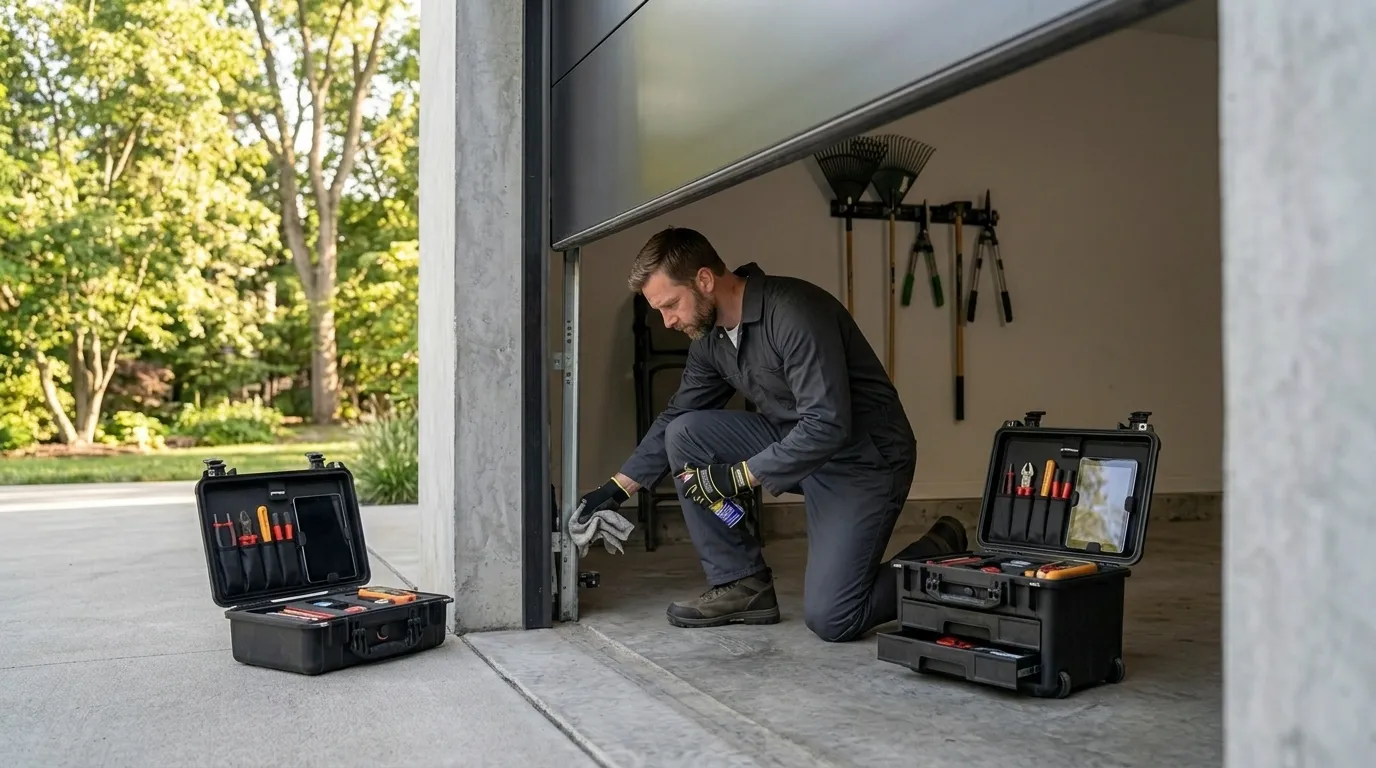
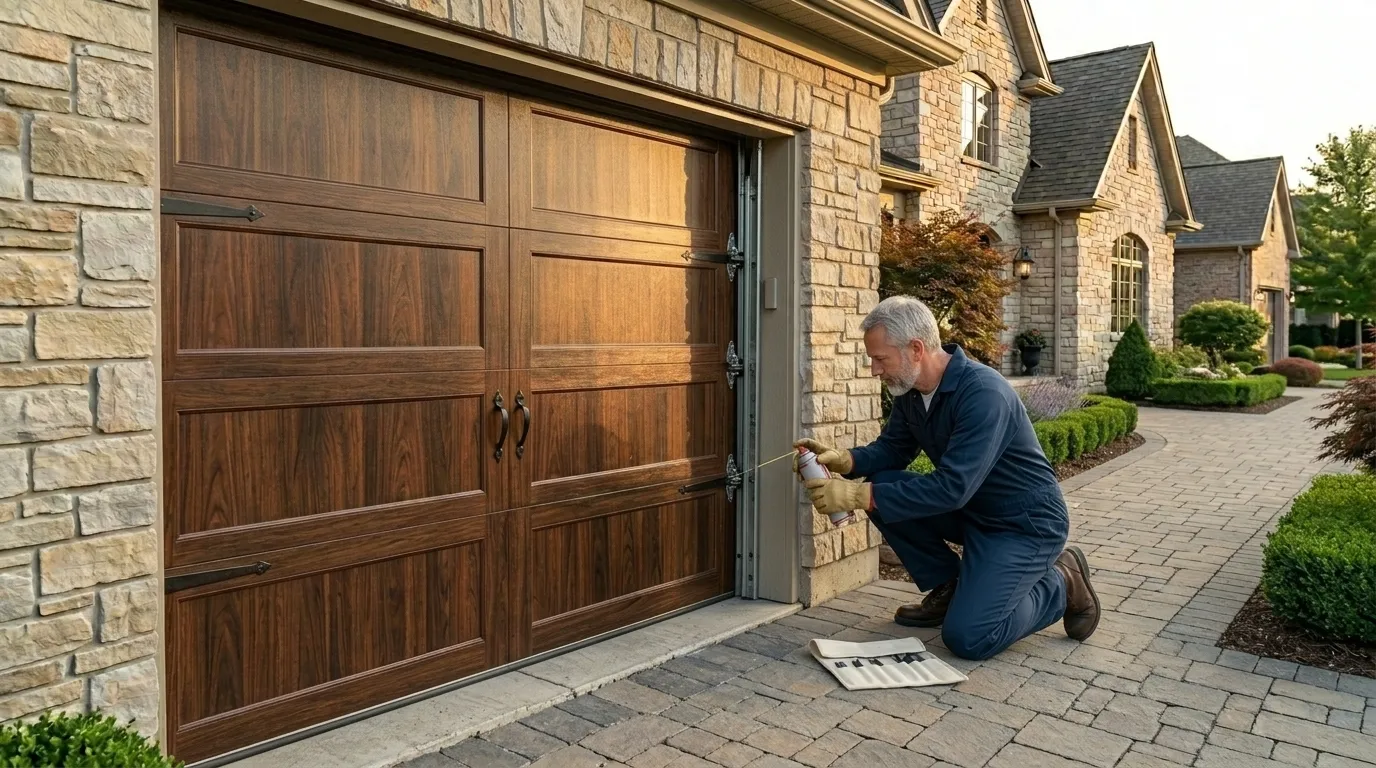
Most of the housing stock in the Annapolis service area went up between 1955 and 2008, with the heaviest concentration built in the 1980s and 90s. That matters because a door and opener installed when the house was built is now somewhere between fifteen and seventy years old, and the failure pattern is predictable once you know the build era. Torsion springs on those homes were rated for a certain number of cycles, and most of them are well past that count by now.
Openers from the 80s and 90s often ran chain drives with limit switches that drift out of adjustment over decades, which shows up as a door that reverses for no clear reason or stops a few inches short of the floor. We see the same complaint across the 47 named areas we cover: a door that used to be quiet is suddenly loud, or a door that used to close all the way now hangs up. It is rarely the panel.
It is almost always the spring, the cable drum, or an opener sensor that has drifted out of alignment after years of vibration. The honest starting point is the hardware's age, not the symptom you're calling about.
Checking It Yourself
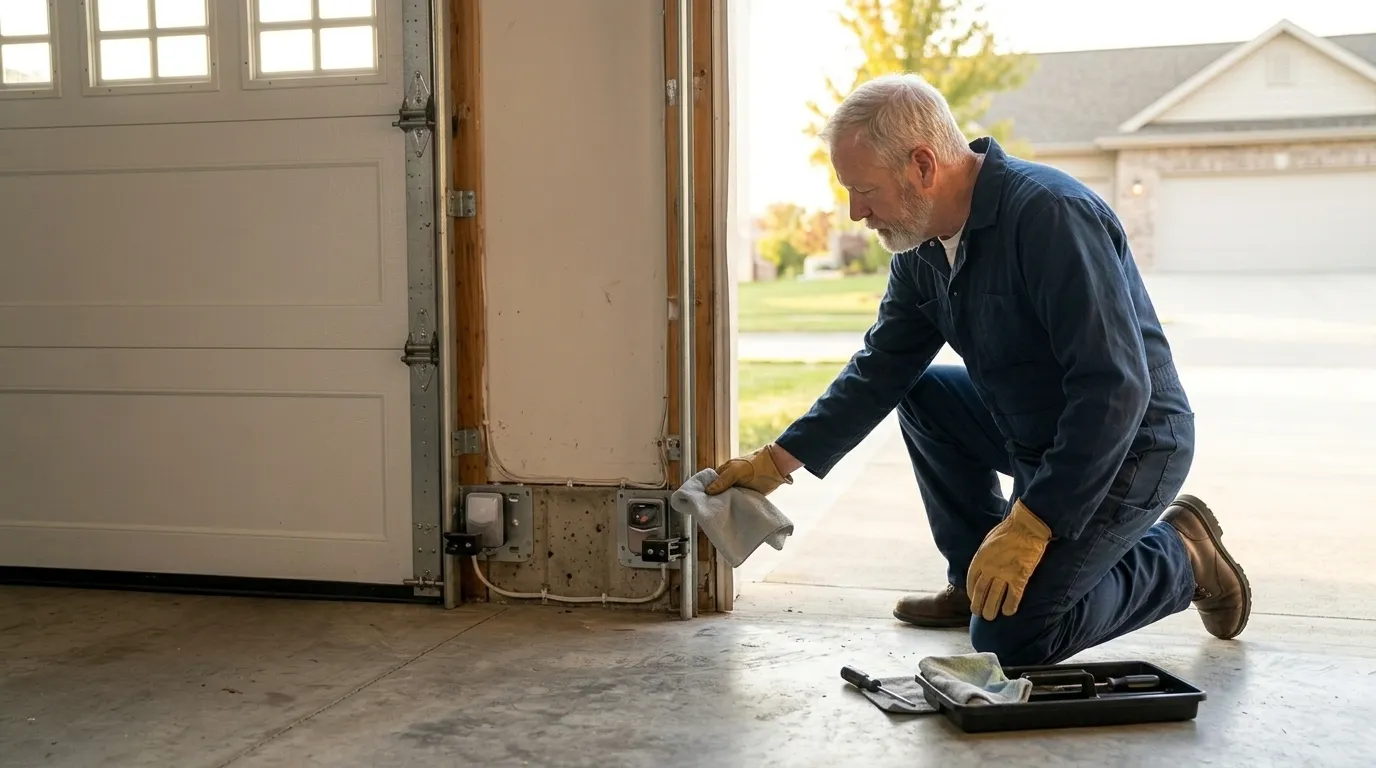
Before you call anyone, look at three things. First, pull the release cord and lift the door by hand - a balanced door on a properly tensioned spring should hold at waist height on its own. If it drops or shoots up, the spring is doing the wrong amount of work, and that is not a DIY fix; a torsion spring under tension can do real damage.
Second, check the tracks for daylight gaps between the rollers and the rail, especially near the top bend, which is where original 1980s and 90s steel track tends to work loose after years of thermal expansion and contraction. Third, look at the cables at the bottom bracket for fraying - thin steel strands separating from the main cable. None of this requires tools, just eyes and a flashlight.
What you should not do is force a door that's binding, or keep hitting the wall button hoping the opener will push through resistance. That's how a stripped gear or a bent track turns into a bigger bill. If the door won't lift evenly by hand, stop there and call it in rather than guessing further.
Doing Nothing For Now
Not every noise needs same-day attention, and we'd rather tell you that than run a truck out for nothing. A door that squeaks on the rollers but still opens smoothly, holds its balance, and reverses correctly on obstruction is fine to leave alone through a mild stretch of weather. What changes the math is the climate band Annapolis sits in - cold moderate, with real winter cold that tightens steel and stiffens lubricant.
A spring or hinge that's marginal in October can seize or snap once temperatures drop, because cold steel is less forgiving of the last bit of wear. So the honest limitation here: we can't tell you over the phone whether your specific door will make it through winter without a look at the balance and the cable condition in person. What we can say is that waiting on a door that's already showing uneven lift or a slow-closing cycle usually costs more once cold weather forces the issue, versus catching it while the door is still working, just working poorly.
How Local Conditions Play In
The service area runs from Parole and Edgewater three miles out to Mayo, Arnold, and Riva at five, and stretches as far as Tilghman, twenty miles southeast. Across that whole footprint, the housing stock tells a consistent story: mostly 1980s and 90s construction, which means a lot of the original torsion hardware and early chain-drive openers are still in these garages, still doing the job they were built for decades ago. With 192,222 households and 96,266 owner-occupied houses across the area, that's a large number of doors running on hardware that predates modern safety sensors and soft-close settings.
Combine that age with a cold-moderate climate and you get a predictable seasonal pattern - spring failures cluster in the first hard cold snap of the year, when steel that's already fatigued gets one more stress it can't absorb. A median household income of $123,176 across the area also means most owners are replacing rather than patching once a door hits that point, since a full torsion spring and opener upgrade on an aging system often makes more sense than repeated small repairs on parts that are decades past their rated cycle count.
How We Can Help
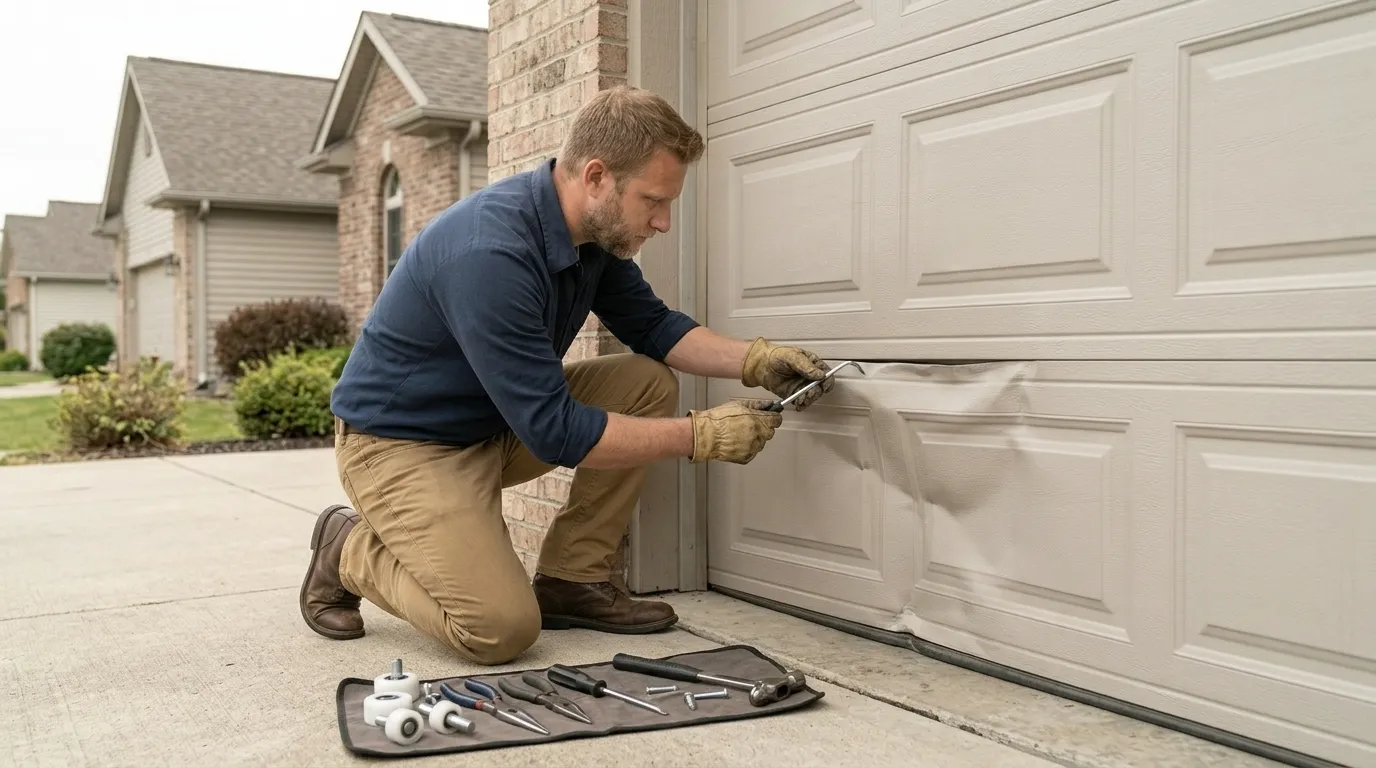
Garage Door Repair
Springs, cables, tracks, rollers, and openers fixed by a tech who explains the problem before touching anything.
Learn more →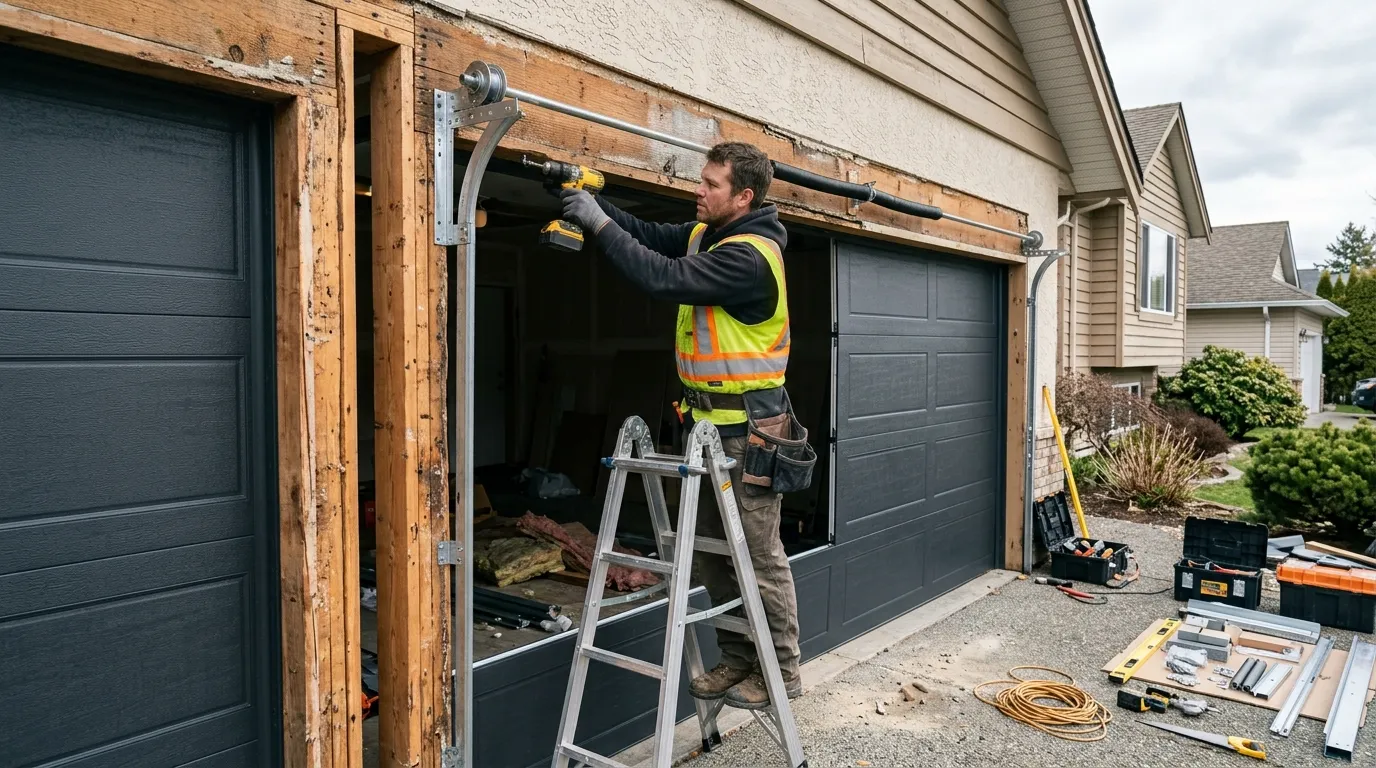
Garage Door Installation
New sectional doors sized and installed for the housing stock actually built in this area.
Learn more →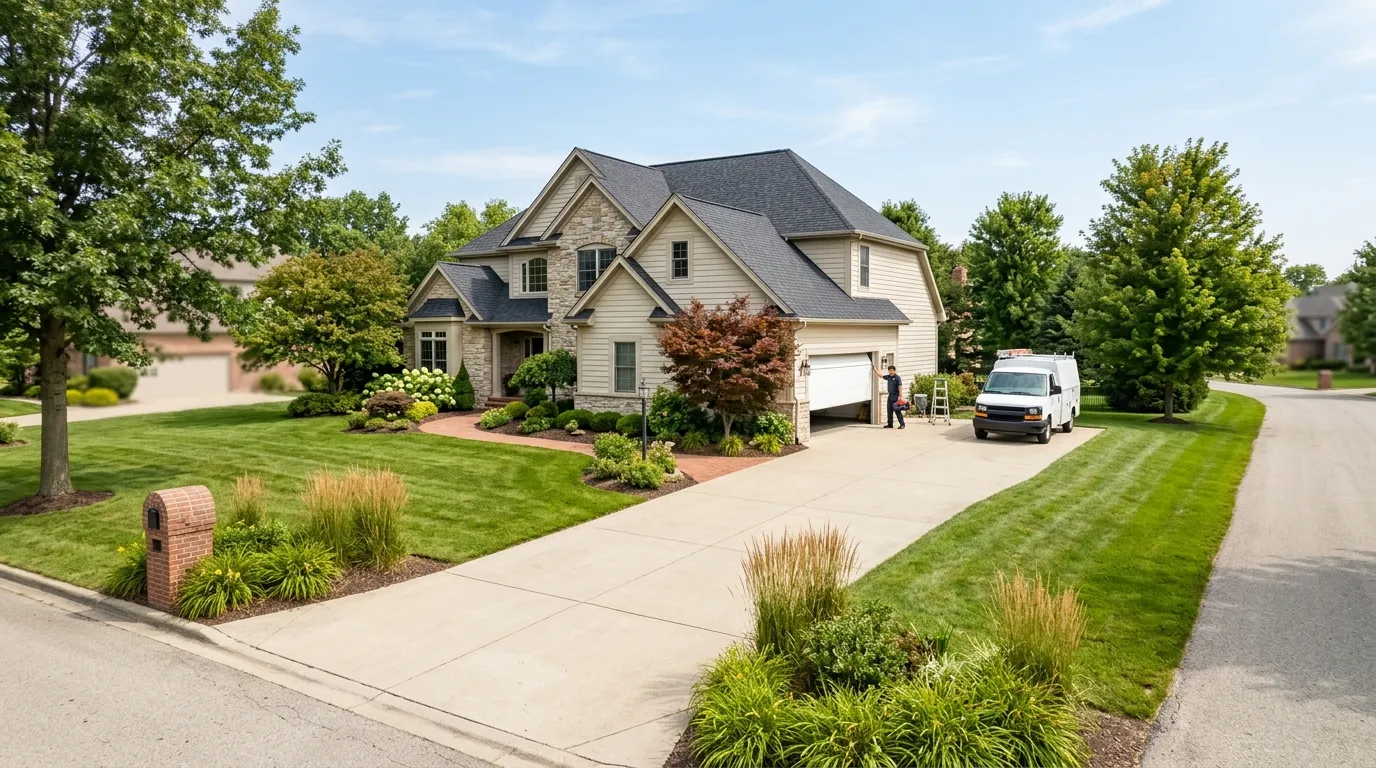
Garage Door Service
Tune-ups, lubrication, and safety checks that catch a small problem before it becomes a service call.
Learn more →Frequently Asked Questions
How old does a garage door have to be before the spring is a real risk?
Torsion springs are rated by cycle count, not just age, but most residential springs are built for roughly seven to twelve years of average use. Given how much of the local housing stock dates to the 1980s and 90s, a lot of these springs are well past their rated life. If yours has never been replaced, treat it as due.
Why does my door act up more in winter?
Annapolis sits in a cold-moderate climate band, and cold steel is stiffer and less forgiving than warm steel. A spring or roller that's marginally worn can work fine in summer and bind or fail once temperatures drop for the first real cold stretch of the season.
Can I just tighten the track myself if I see a gap?
You can snug visible bolts, but if the gap is at the top bend of an older steel track, that's usually a sign of years of flex, not a loose bolt. Forcing it back into place without checking alignment can bend the rail further. That one's worth a look in person.
Is it ever not worth repairing an old door?
Yes. On a door old enough to be original to a 1980s or 90s build, replacing the opener and spring together often costs close to what patching each part separately would, and you're left with parts that still don't match modern safety standards. At that point replacement is usually the better call.
Have a Door That Needs a Second Opinion?
Call and describe what it is doing - we will tell you what it likely is.