
Annapolis Garage Door Guide
Why Your Annapolis Garage Door Sensors Keep Losing Alignment
Annapolis homes built between 1955 and 2008 sit on slabs that shift and see cold winters that fog sensor lenses. Here's why the beam keeps drifting.
- Licensed & Insured
- Same-Area Service Calls
- Upfront Pricing
The Problem
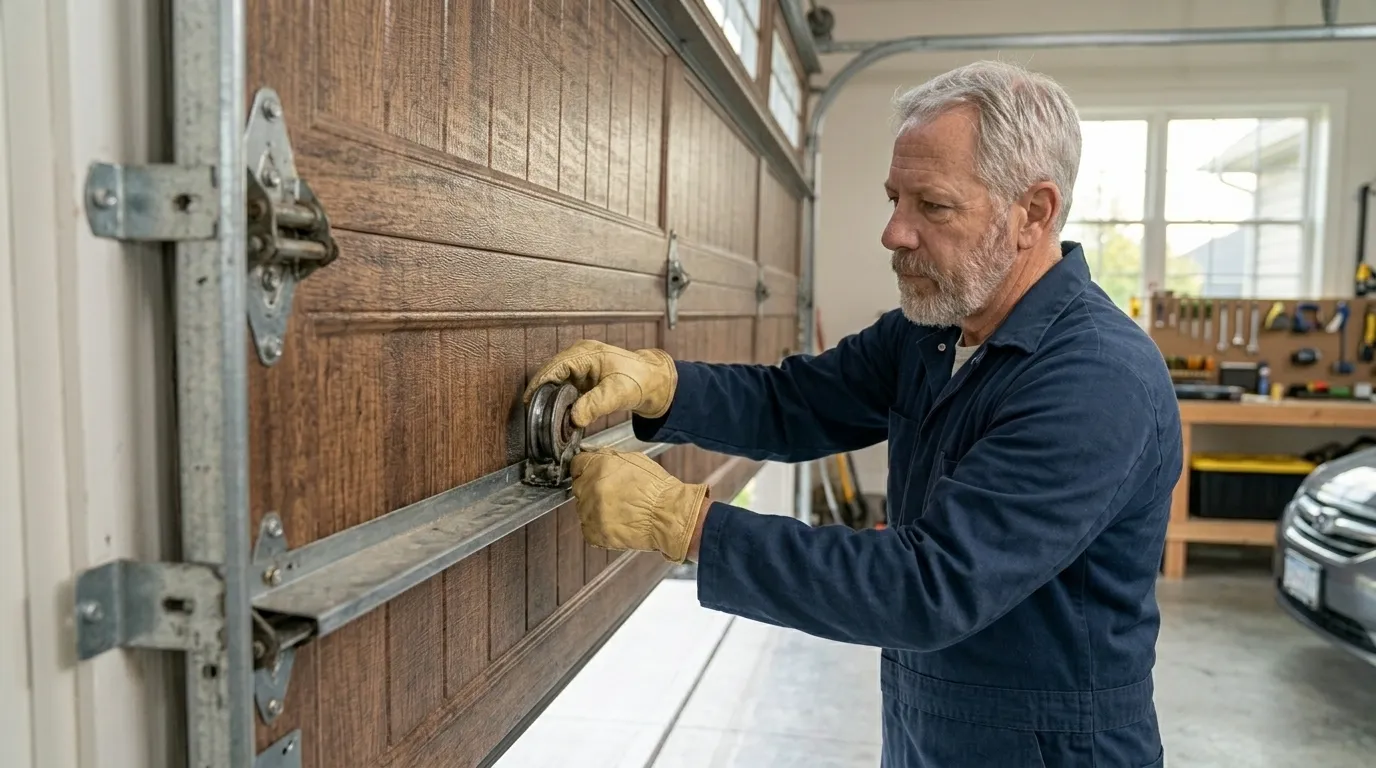
The safety sensors on your door are two small eyes mounted a few inches off the garage floor, one sending an infrared beam, the other catching it. Break that beam and the door won't close. Most of the trouble calls we get aren't about a broken sensor at all - they're about a beam that's a few degrees off true.
In this part of the county, housing went up mostly between 1955 and 2008, with the bulk of it in the 1980s and 90s. A garage built in that window has had thirty to forty years for its slab to settle, even a little. The sensor brackets are lagged into the framing next to that slab, and framing that's shifted a fraction of an inch over four decades is enough to walk the beam off the receiving eye.
You don't see it happen. You just notice the door reversing for no reason, or refusing to close at all, and assume the opener is failing when the opener is fine.
On a slab poured in 1985, that's not a defect. That's just what four decades of freeze-thaw does to a foundation.
Checking It Yourself
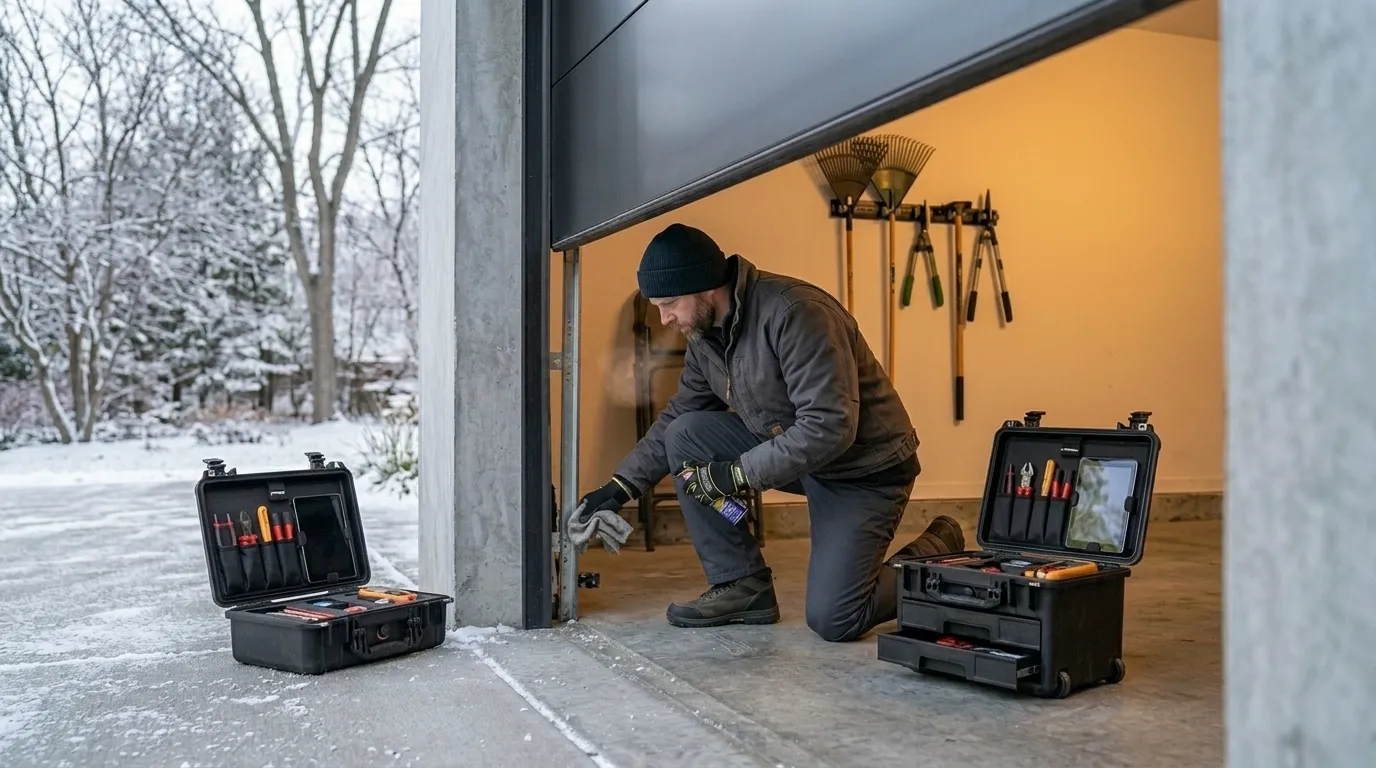
Both sensor units have a small LED. On most brands, a steady light means the beam is aligned; a flickering or dark LED means it isn't. Wipe both lenses first - a smear of pollen, dust, or winter grime reads as an obstruction just as easily as a real one does.
Next, sight down the beam line yourself. Kneel at one sensor and look across to the other.
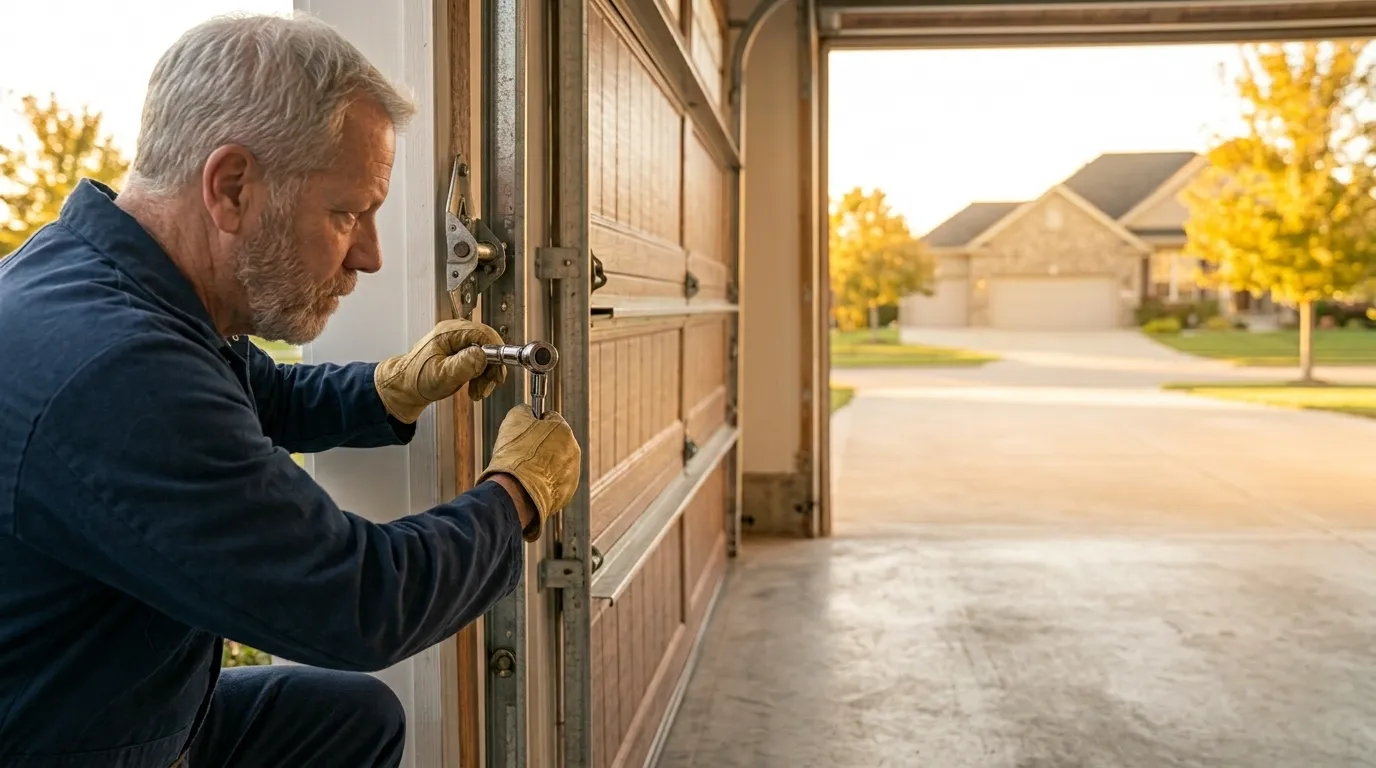
If the two brackets aren't at the same height, or one has rotated even slightly on its mount, you'll see the offset with your own eye before you ever touch a tool. On homes from the 1980s and 90s stock common around here, the brackets are often the original ones from construction - thin steel, single-screw mounts, never built to be re-aimed easily.
If the LEDs both read solid and the door still won't close, the sensors likely aren't your problem - check the track and rollers instead. Realigning a sensor is a five-minute job with a screwdriver and a level. If it drifts back within a week, the bracket itself has worked loose, not just the aim, and that's a different fix.
Doing Nothing For Now
A door that closes most of the time isn't a door that's fine. Federal safety standards put those sensors there because a door that occasionally doesn't reverse is a door that will eventually come down on something it shouldn't. Waiting it out because the sensor "usually" works is the one piece of advice we won't give.
That said, here's the honest limit: we can realign or replace a sensor in one visit, but we can't fix a slab that's settling or framing that's twisting further every winter. If your bracket keeps drifting back within days no matter how many times it's reset, the fix isn't the sensor - it's the mounting point, and that's a carpentry problem before it's a garage door problem. We'll tell you that straight rather than keep re-aiming a sensor that's fighting a moving wall.
For most homes, though, a loose bracket or a dirty lens is the whole story, and it's a small job. It's the kind of thing worth doing this week, not the kind worth ignoring until spring.
How Local Conditions Play In
This area sits in a cold-moderate climate band, which means real winter swings - not the deep-freeze extremes you'd get further north, but enough seasonal temperature change to matter. Steel sensor brackets contract in cold and expand in heat, and that cycle, repeated every year since the house was built, is slow but steady work against a screw mount that was never meant to be adjusted twice a decade.
Cold mornings bring a second issue: condensation and frost on the lens itself. A sensor that reads clear at noon can fog over on a 28-degree morning and throw a false obstruction reading, which looks exactly like a misalignment from across the garage. If your door misbehaves specifically on cold mornings and works fine by afternoon, that's very likely the lens, not the bracket.
Houses built in the 1980s and 90s boom here typically have garages that are unheated and only lightly sealed, which means the sensors inside them see close to the same temperature swing as the outside air. A garage that's insulated or heated won't see nearly as much of this.
How We Can Help
Garage Door Repair
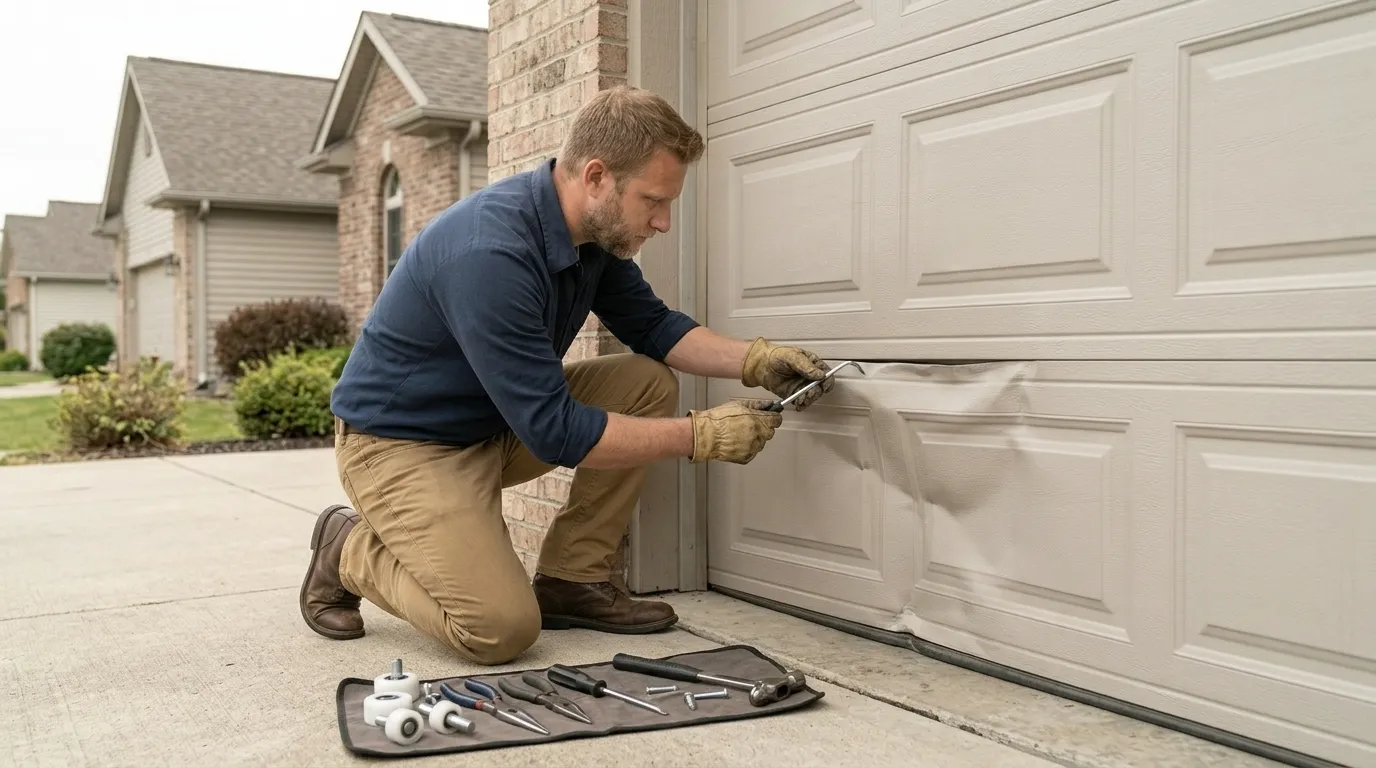
Springs, cables, tracks, rollers, and openers fixed by a tech who explains the problem before touching anything.
Learn more →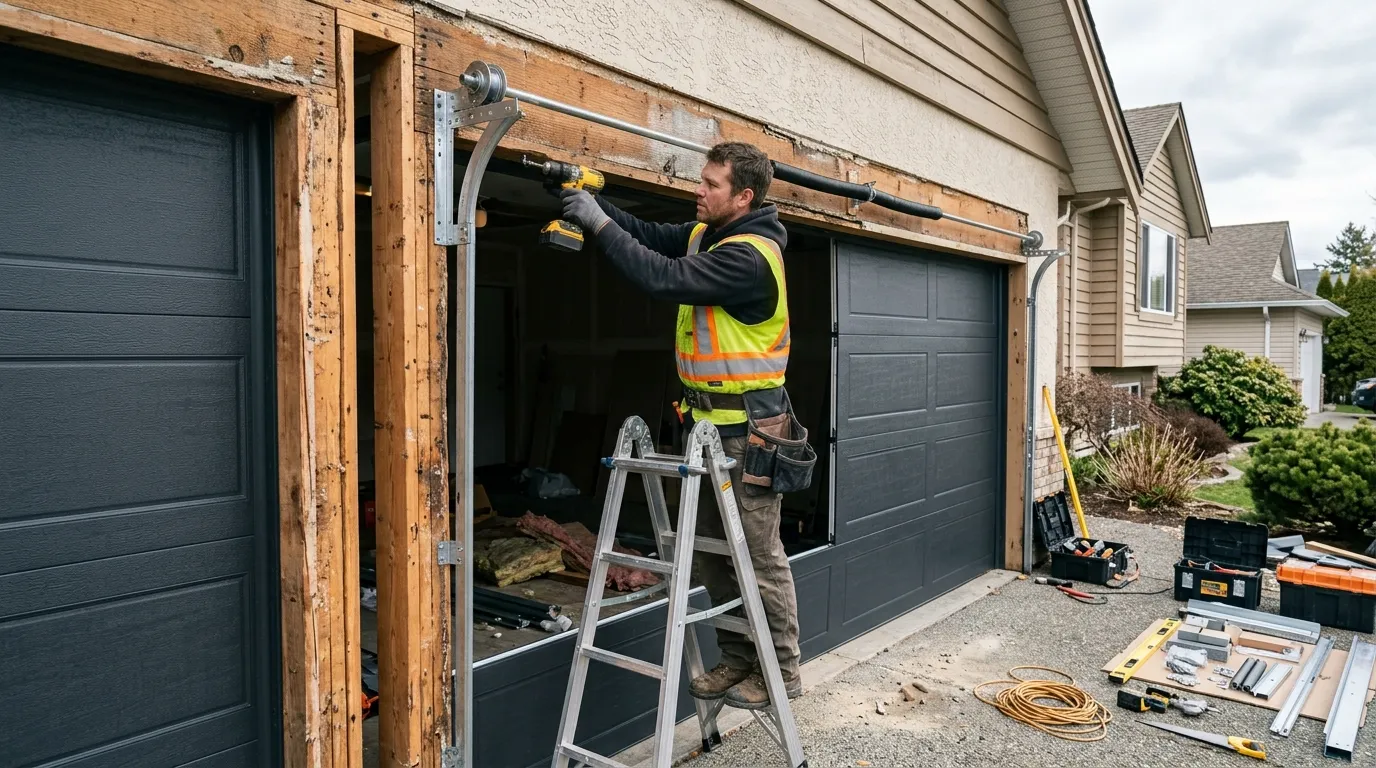
Garage Door Installation
New sectional doors sized and installed for the housing stock actually built in this area.
Learn more →
Garage Door Service
Tune-ups, lubrication, and safety checks that catch a small problem before it becomes a service call.
Learn more →Frequently Asked Questions
Why does my garage door sensor only act up in winter?
Cold mornings bring condensation and frost onto the sensor lens, which reads as a false obstruction and stops the door from closing. If the problem clears up by afternoon and comes back the next cold morning, it's very likely the lens fogging, not a real alignment failure.
Can I re-aim the sensors myself?
Yes, in most cases. Loosen the wing nut or screw on the bracket, sight the beam by eye, and retighten once the LED reads steady. It's a five-minute fix. If it drifts back within a week, the bracket itself is loose, not just the aim, and that needs a firmer mount.
My house is from the 1980s - is that why the bracket keeps loosening?
Likely, yes. A lot of the housing stock in this area dates to the 1980s and 90s, and original sensor brackets from that era are often thin steel on a single screw. Decades of slab settling and seasonal temperature swings are enough to walk them out of alignment gradually.
Have a Door That Needs a Second Opinion?
Call and describe what it is doing - we will tell you what it likely is.